When considering materials for construction and interior design, WPC Wall Panel Board stands out for several compelling reasons. This innovative product combines the sustainable properties of wood with the durability of plastic, catering to modern project needs. Its versatility makes it suitable for various applications, from residential homes to commercial spaces.
WPC Wall Panel Board offers notable advantages. It is lightweight, making installation a breeze. The material is resistant to moisture, preventing warping or decay over time. This durability translates into cost savings, as maintenance is minimal. Furthermore, its aesthetic appeal allows for creative design options, enhancing the overall ambiance of any space.
Despite its benefits, it is essential to consider the quality of WPC Wall Panel Boards available on the market. Not all products are made equal. Some may not offer the promised longevity or appearance. Researching suppliers and understanding the product specifications can help ensure a satisfactory outcome for your projects. Ultimately, a well-informed choice can lead to impressive results.
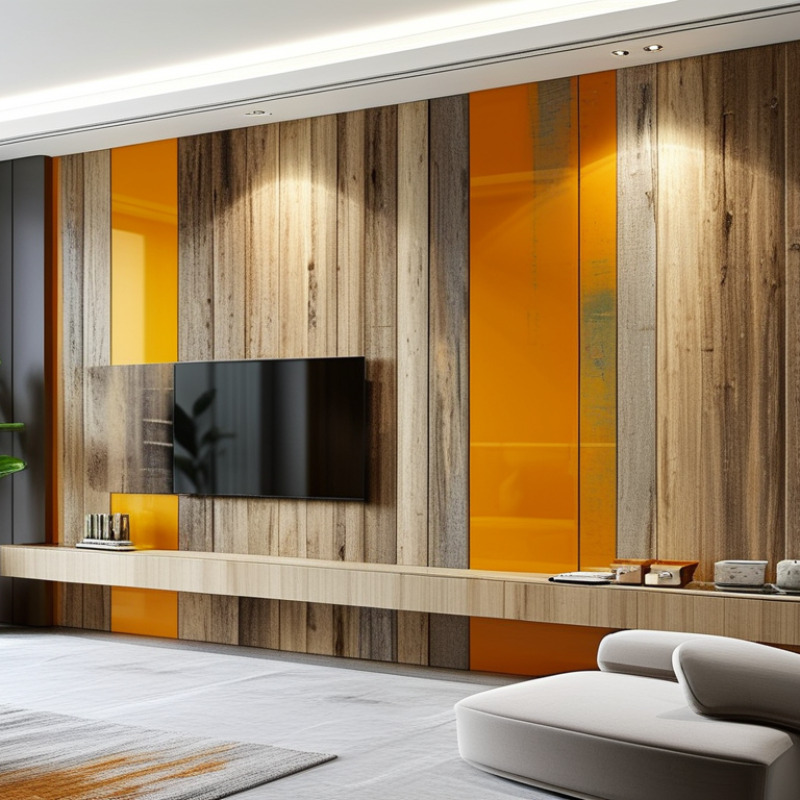
WPC (Wood Plastic Composite) wall panel boards have gained popularity across various construction projects. Their unique composition offers an impressive blend of durability and aesthetics. According to a recent industry report, the global WPC market is projected to reach $10 billion by 2026, reflecting a growing demand for sustainable building materials. This trend is driven mainly by the increasing preference for eco-friendly solutions.
One significant strength of WPC wall panels is their resistance to moisture and termites. Unlike traditional wood, WPC does not warp or swell in humid environments. Data shows that buildings using WPC panels have reported a decrease in maintenance costs by about 30%. These panels also offer a variety of finishes, which provide flexibility in design and implementation. However, not all WPC products are created equal. It's crucial to verify the quality of materials used.
Another notable advantage is the ease of installation. WPC panels are lightweight, making handling and installation less labor-intensive. They can be cut easily, saving time on site. While they are powerful in many areas, potential buyers should be aware that not all settings suit WPC. For example, extreme temperatures can affect their performance. Understanding these nuances is essential for successful application.
: WPC panels consist of wood fibers and plastic, combining strength and affordability.
WPC panels do not warp or swell like traditional wood, making them suitable for humid environments.
Yes, they provide better value compared to traditional materials, reducing maintenance and repair costs significantly.
Absolutely, WPC panels offer diverse design options, allowing customization to fit various styles and needs.
Some WPC panels may not meet quality standards. Researching products thoroughly is crucial before use.
WPC panels can underperform in extreme temperatures, so understanding their limits is essential for proper application.
Improper installation can cause issues, affecting durability and overall performance, this needs careful consideration.
Yes, many WPC products focus on sustainability, aligning with eco-friendly building goals, but beware of cheaper alternatives.
Yes, they can replicate the appearance of wood or stone, providing aesthetic appeal without some drawbacks of those materials.
Choices about installation and lighting can greatly influence the overall ambiance and effectiveness of the design.
WPC wall panel boards offer numerous benefits for construction and design projects, making them a popular choice among builders and architects. Their strengths lie in their durability, cost-effectiveness, and eco-friendliness. Made from recycled materials, WPC panels contribute positively to sustainability efforts while also providing an impressive lifespan across various climates, reducing the need for frequent replacements.
Additionally, WPC wall panel boards are highly versatile in aesthetics, allowing for a wide range of design options and customization, which can cater to diverse architectural styles. These panels are not only functional but also enhance the visual appeal of spaces, making them an excellent choice for both residential and commercial applications.

 Xiuchen