WPC Wood Wall Panels are gaining popularity in various construction projects. With their blend of wood and plastic, these panels offer durability and aesthetic appeal. According to a recent industry report by the National Association of Home Builders, WPC materials can resist moisture and are less prone to warping than traditional wood.
Expert Mark Thompson, a leading voice in sustainable building materials, noted, "WPC Wood Wall Panels revolutionize interior design while promoting eco-friendly practices." This highlights their dual function as both practical and visually appealing. Homes that utilize WPC panels can achieve a modern look while ensuring longevity.
Adopting WPC Wood Wall Panels may seem straightforward, but the selection process isn't always easy. The variety of options can lead to confusion among builders and designers. Furthermore, while WPC panels are a great choice, they also require understanding of specific maintenance needs. Like any building material, they are not perfect. With the right knowledge, though, these panels can truly enhance any space.
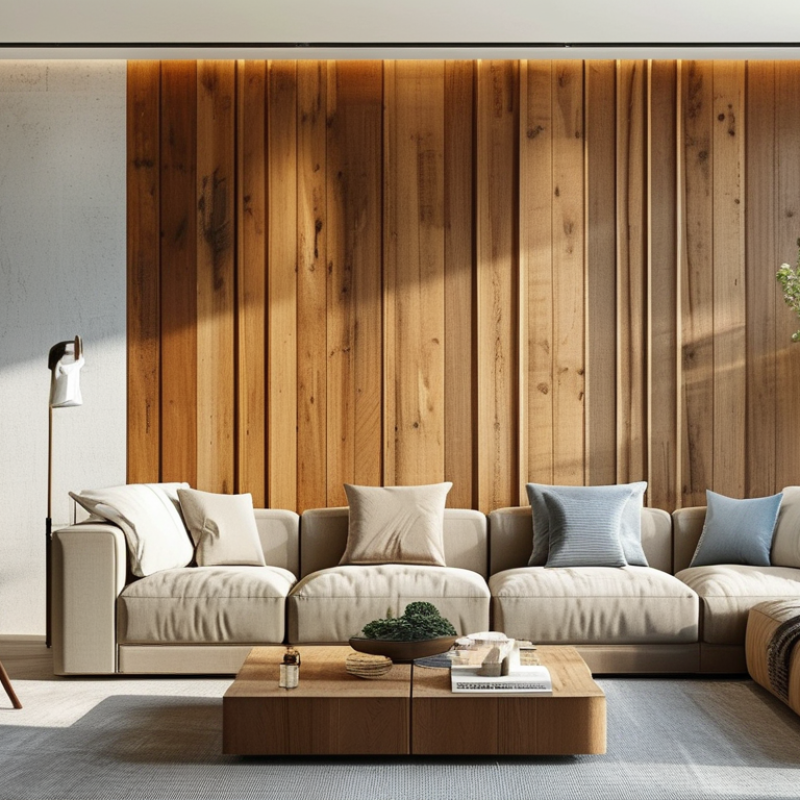
Overview of WPC Wood Wall Panels
WPC wood wall panels are gaining popularity in construction and interior design. These panels combine wood fibers and thermoplastics, creating durable and eco-friendly wall solutions. An industry report indicates that the global WPC market is expected to grow by 12.8% from 2022 to 2030. This growth reflects their versatility and practicality.
One major advantage of WPC panels is their resistance to moisture and insects. Unlike traditional wood, they do not warp or rot easily. This durability makes them ideal for both indoor and outdoor applications. However, not all WPC products are created equal. Some may lack the desired aesthetic or structural integrity, leading to customer dissatisfaction. Careful selection is crucial.
A recent study revealed that energy-efficient buildings using composite materials can reduce overall energy costs by up to 40%. Moreover, WPC panels offer a variety of finishes and textures, which can enhance any project’s design. Yet, some consumers report challenges in finding the perfect style that aligns with their vision. Balancing durability with aesthetics remains a vital consideration for many.
Discover the Benefits of WPC Wood Wall Panels
This chart illustrates the various benefits of WPC wood wall panels as rated on a scale from 1 to 10. It showcases durability, low maintenance needs, eco-friendliness, aesthetic appeal, and cost-effectiveness.
Key Benefits of Using WPC Wood Wall Panels
WPC wood wall panels offer a versatile solution for various projects. Their composition combines wood fibers and plastic, creating a product that's both durable and appealing. These panels resist moisture, decay, and insects, making them ideal for both indoor and outdoor applications. This resistance ensures longevity, reducing replacement costs over time.
Installation is often simpler than traditional materials. WPC panels are lightweight, making them easier to handle. Unskilled labor can manage the installation process, lowering overall project costs. However, it’s essential to ensure proper alignment and tight joints.
Poor installation might lead to gaps or uneven surfaces, which detracts from the aesthetic appeal.
Aesthetic options abound with WPC wall panels. They come in various colors and textures, mimicking natural wood. This versatility allows customization for any design preference. Yet, while many panels offer a wood-like appearance, some may lack the authentic feel.
Cost considerations also play a role. Higher-quality options can be pricey, requiring careful budgeting. Balancing aesthetics and finances is crucial to project success.
Applications of WPC Wood Wall Panels in Various Projects
WPC wood wall panels have become increasingly popular in various construction and design projects. Their applications range from residential homes to commercial spaces. In residential settings, WPC panels offer a stylish and durable option for interior and exterior walls. Data from the Composite Panel Association indicates that the demand for WPC products has grown by over 30% in the past five years. This growth is primarily due to their resistance to moisture and insects, making them ideal for various climates.
In commercial projects, these panels excel in versatility. They are often used in offices, hotels, and retail environments. Their lightweight nature allows for easier installation, saving both time and labor costs. According to a report from Freedonia Group, WPC panels can reduce installation time by up to 25%. However, it is essential to consider the environmental impact of sourcing materials. While WPC panels are made from recycled wood and plastic, not all manufacturers use sustainable practices.
Venturing into the design possibilities, these panels can be customized in various textures and finishes. This flexibility enables architects to create unique aesthetic statements while meeting functional needs. Yet, not all designs may suit every project. It's crucial to assess the specific use case and desired longevity of the installation. Balancing aesthetics with practicality is vital to achieving successful outcomes.
Comparative Analysis: WPC vs Traditional Wood Wall Panels
When comparing WPC (Wood-Plastic Composite) wall panels to traditional wood panels, several factors come into play. WPC panels offer enhanced durability. They resist moisture, rot, and pests better than traditional wood. This makes them particularly suitable for areas with high humidity or fluctuating temperatures. Homeowners often appreciate this added protection, especially in outdoor spaces.
However, the aesthetic appeal of traditional wood cannot be overlooked. Many people love the natural look and feel of wood. It brings warmth to a space that WPC may lack. The texture and grain of real wood provide unique character. Some users may feel that WPC panels can look synthetic, which may impact their choice.
Maintenance is another critical aspect. WPC panels usually require less upkeep compared to wood. Traditional wood needs regular sealing and staining to maintain its appearance. However, the lack of natural aging can make WPC feel less authentic over time. Balancing aesthetics and practicality can be tough. Ultimately, the choice between WPC and traditional wood depends on individual project needs and preferences.
Discover the Benefits of WPC Wood Wall Panels for Your Projects
| Feature |
WPC Wall Panels |
Traditional Wood Wall Panels |
| Durability |
High resistance to moisture and insects |
Susceptible to rot and pests |
| Maintenance |
Low maintenance, no painting required |
Regular maintenance and sealing needed |
| Environmental Impact |
Made from recycled materials |
Harvesting may contribute to deforestation |
| Aesthetic Variety |
Available in various colors and textures |
Natural look with limited finishes |
| Cost |
Generally lower initial cost |
Higher cost due to material selection |
Maintenance and Care Guidelines for WPC Wood Wall Panels
WPC wood wall panels offer a blend of beauty and durability. To maintain these panels, regular cleaning is crucial. Use a soft brush or cloth to remove dirt. A mild detergent mixed with water helps keep the surface pristine. Avoid harsh chemicals; they can damage the panels.
Inspect the panels for signs of wear periodically. Look for scratches or fading, which is common over time. If you notice any damage, address it promptly to extend their life. Some scratches can be sanded out, while others may need touch-up staining.
Seasonal changes can also affect the panels. In humid conditions, moisture can get trapped. Ensure proper ventilation in your space to prevent mold. During dry spells, applying a protective sealant can be beneficial. Embracing these guidelines will help your WPC wood wall panels look their best throughout the years.
FAQS
: WPC panels are made from recycled wood and plastic materials, promoting sustainability.
They resist moisture, insects, and rot, making them ideal for various climates.
WPC panels offer better durability and require less maintenance than traditional wood.
Yes, they can be customized in various textures and finishes for unique designs.
Use a soft brush or cloth and mild detergent mixed with water for cleaning.
Some scratches can be sanded out, but others may require touch-up staining.
Yes, regular inspections and cleaning are essential to prolong their lifespan.
Humid conditions can trap moisture; good ventilation is needed to prevent mold.
Traditional wood has a natural beauty, while WPC may appear more synthetic to some users.
WPC lacks the authentic aging that wood develops over time, impacting its charm.
Conclusion
WPC wood wall panels are emerging as a versatile and sustainable solution for various construction and design projects. These panels combine wood and plastic, offering several key benefits, including durability, moisture resistance, and ease of installation. Their applications range from residential interiors to commercial spaces, making them suitable for any project looking to enhance aesthetics while maintaining functionality.
When compared to traditional wood wall panels, WPC wood wall panels stand out due to their lower maintenance requirements and longer lifespan. Property owners can benefit from simple care guidelines to ensure their panels retain their appeal over time. Overall, WPC wood wall panels present a compelling option for those seeking innovative materials that do not compromise on quality or environmental impact.

 Xiuchen