As the construction industry continues to evolve, WPC wall cladding has emerged as a preferred choice for many global buyers. Wood plastic composite (WPC) technology combines wood fibers and thermoplastics, resulting in a durable, weather-resistant material. According to a 2023 report by Smithers Pira, the WPC market is projected to grow at a CAGR of 10.2% through 2026, reflecting increased demand for sustainable building materials.
WPC wall cladding offers numerous benefits. It is lightweight, low-maintenance, and resistant to moisture and pests. In addition, its aesthetic appeal replicates natural wood without compromising quality. The global trend toward eco-friendly products is driving innovation, with manufacturers concentrating on production efficiency and recyclability. However, not all WPC products are created equal. Buyers must scrutinize quality and sustainability claims to avoid inferior products that may fail to meet expectations.
While WPC wall cladding offers exciting prospects, potential challenges remain. Mixing quality materials is essential for longevity. Buyers should educate themselves about various options and seek reliable suppliers who adhere to industry standards. Through careful consideration, global buyers can make informed decisions to enhance both their projects and the environment.
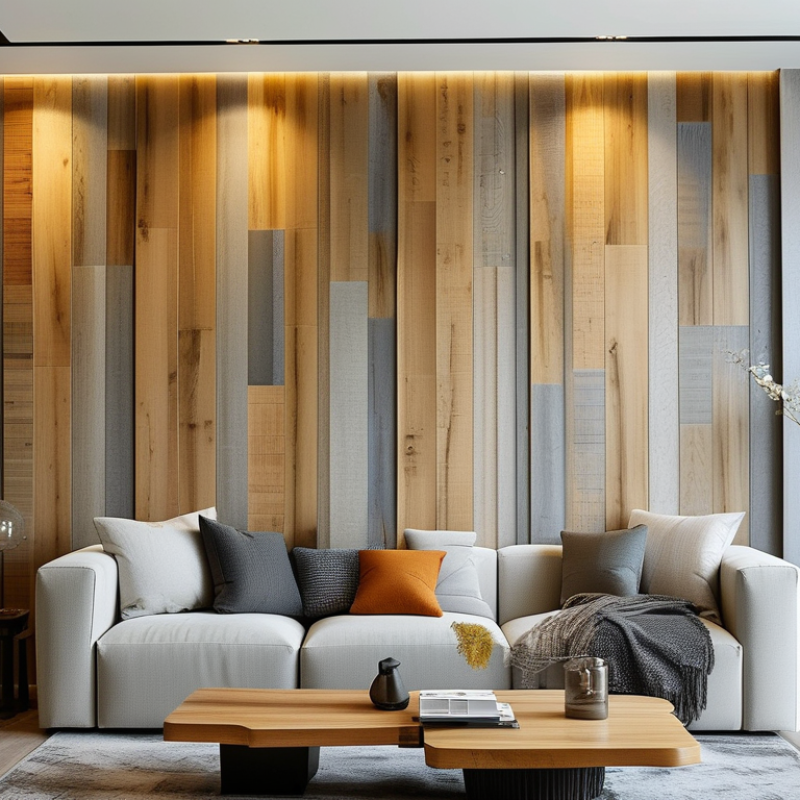
2026 Overview of WPC Wall Cladding Materials Available Globally
WPC (Wood Plastic Composite) wall cladding has gained popularity due to its durability and aesthetic appeal. In 2026, buyers globally can expect diverse options. These materials combine wood fiber and plastic, providing benefits like resistance to moisture and insects. Various textures and colors make them suitable for different architectural styles.
Sourcing WPC materials involves understanding regional variations. In some areas, the quality might differ, affecting longevity. It’s wise to research suppliers thoroughly. Look for certifications that ensure environmental sustainability. Market trends show a growing interest in eco-friendly materials. Thus, reliable sources are becoming even more crucial.
Buyers should consider installation methods. Some WPC options require specialized tools and skills. Not all suppliers offer complete installation support. Hence, it helps to be prepared for potential challenges. This proactive approach ensures a smoother experience. The future of construction and design heavily relies on sustainable materials like WPC. Understanding what’s available is essential for making informed decisions.
Key Factors to Consider When Choosing WPC Wall Cladding
When choosing WPC wall cladding, consider several factors that influence your decision. The aesthetic appeal is crucial. It should complement your overall design. Colors and textures vary widely, so take the time to visualize how they match your environment. Also, assess the durability against weather conditions. Some products perform better in extreme climates.
Another key factor is maintenance. WPC cladding generally requires less maintenance than traditional materials. Still, some options need occasional cleaning to maintain their appearance. Look into the warranty offered by the manufacturer. A strong warranty reflects the product's quality and the company's confidence.
Cost is a significant consideration, but do not compromise on quality. Cheaper options may save money upfront but could lead to higher long-term costs. Research installation procedures, as some types may require professional help. That could add to your expenses. Balancing these factors helps ensure a wise investment in your property.
Top Manufacturers of WPC Wall Cladding in 2026
When exploring the best WPC wall cladding options for global buyers in 2026, it’s essential to understand the top manufacturers behind these products. These companies focus on quality, sustainability, and innovation. They offer a variety of finishes and colors, appealing to diverse aesthetic preferences. Many of these manufacturers emphasize eco-friendly practices, using recycled materials in their production processes. This aligns with growing consumer demand for sustainable building materials.
Another key aspect in evaluating top manufacturers is their expertise in the market. They have adapted to trends, offering products that withstand harsh weather conditions. The durability of WPC wall cladding is a vital consideration for buyers. Some manufacturers provide extensive warranties, showcasing their confidence in product longevity. However, it is crucial to reflect on how these warranties are enforced. Are there hidden conditions? Understanding the fine print can help buyers make informed decisions.
Additionally, global manufacturers vary in customer support and service. Some may provide extensive resources, while others fall short. A good approach is to research reviews and testimonials. This can provide insight into real experiences with each company. A few manufacturers might have inconsistencies in their production quality. It’s important to ask for samples and check if the final product aligns with initial expectations. Making the right choice involves careful consideration and due diligence.
2026 Best WPC Wall Cladding Options for Global Buyers
| Material Type |
Thickness (mm) |
Color Options |
Durability (Years) |
Price per Sq Ft ($) |
| Wood Plastic Composite |
12 |
Brown, Grey, Beige |
25 |
6.50 |
| PVC Composite |
10 |
Black, White, Blue |
30 |
7.00 |
| Bamboo Composite |
15 |
Natural, Charcoal, Green |
20 |
8.50 |
| Modified Wood |
18 |
Teak, Walnut, Ash |
40 |
9.00 |
| Recycled Plastic |
20 |
Gray, Ocean Blue, Forest Green |
35 |
10.00 |
Sustainability and Environmental Impact of WPC Wall Cladding
WPC wall cladding offers a unique blend of aesthetics and sustainability. Composed of wood fibers and plastic, it provides a functional alternative to traditional materials. This combination helps reduce deforestation, a significant environmental concern. WPC materials can often be sourced from recycled plastics, which further lessens environmental impact.
The life cycle of WPC products is notable. They require minimal maintenance, potentially reducing resource use over time. However, it's essential to consider the production process. Not all manufacturers prioritize sustainable practices. The source of materials can vary widely, affecting the overall ecological footprint.
The aesthetic appeal of WPC cladding is undeniable. It can mimic natural wood while offering durability against weather elements. Yet, potential buyers should be cautious. Some products may contain harmful additives that compromise health and safety. Research is necessary to ensure that choices align with sustainability goals. Balancing beauty, functionality, and responsibility is critical as the global demand for sustainable building materials continues to grow.
Trends in WPC Wall Cladding Design and Aesthetics for 2026
The WPC wall cladding market is evolving rapidly, particularly in aesthetics and design.
Design trends for 2026 indicate a strong shift towards sustainability and natural aesthetics.
Reports suggest that aesthetic preferences are influenced by a growing desire for eco-friendly materials.
Approximately 70% of consumers in recent surveys expressed a preference for products made from recycled materials.
This reflects a shift towards environmental consciousness.
Texture and color play crucial roles in upcoming designs.
Wood-like textures are gaining traction alongside vibrant hues.
A study by a leading industry analyst showed that over 60% of buyers prioritize rich, realistic finishes.
However, the challenge remains in balancing aesthetics with durability.
Some existing WPC products have faced issues with fading colors and surface wear.
This can lead to a discrepancy between aesthetic appeal and long-term performance.
Additionally, the integration of technology into WPC wall cladding is emerging.
Innovations such as anti-microbial surfaces and improved UV resistance are expected to be game-changers.
Industry experts predict that by 2026, the market for advanced WPC products will grow significantly, addressing both aesthetic and functional needs.
Yet, manufacturers must remain vigilant to avoid cutting corners, as compromises in quality could undermine consumer trust.
FAQS
: WPC wall cladding combines wood fibers and plastic for durability and aesthetic appeal.
It offers resistance to moisture and insects, along with diverse textures and colors.
Research suppliers thoroughly and look for relevant environmental certifications.
No, quality varies regionally. Some manufacturers may have inconsistencies.
Installation may require specialized tools. Some suppliers may not offer support.
Warranties exist, but check for hidden conditions to avoid surprises.
Yes, it can reduce deforestation and often uses recycled materials.
They require minimal maintenance, which can save resources over time.
Some may contain harmful additives. Research is crucial for safety.
Evaluate products carefully to ensure they meet both beauty and eco-friendly standards.
Conclusion
As the global market for WPC wall cladding continues to evolve, the 2026 landscape showcases a range of innovative materials designed to meet diverse buyer needs. This overview highlights key factors such as durability, cost, and maintenance considerations that should influence decision-making when selecting WPC wall cladding. Additionally, the article discusses the sustainability and environmental impact of these materials, reflecting growing consumer awareness and demand for eco-friendly building solutions.
In 2026, aesthetic trends in WPC wall cladding are also on the rise, offering more design options that blend functionality and style. Manufacturers are focusing on not only enhancing the visual appeal of their products but also ensuring that they contribute positively to environmental sustainability. As buyers explore their options, understanding these trends and considerations will be crucial to making informed choices in the competitive WPC wall cladding market.

 Xiuchen