Choosing the right Wpc Wood Slat Panel for your project is essential. These panels offer versatility and durability. They are perfect for both indoor and outdoor applications.
Understanding your project's requirements is crucial. Wpc Wood Slat Panels come in various sizes, colors, and textures. Take time to evaluate your design vision and how these panels fit in. Consider factors like weather resistance and maintenance when making your decision.
However, not every Wpc Wood Slat Panel will suit your needs. Some options may not deliver the aesthetic you desire. Be cautious and explore different brands and materials. This choice impacts the overall look and feel of the space. It’s essential to balance style with practicality.
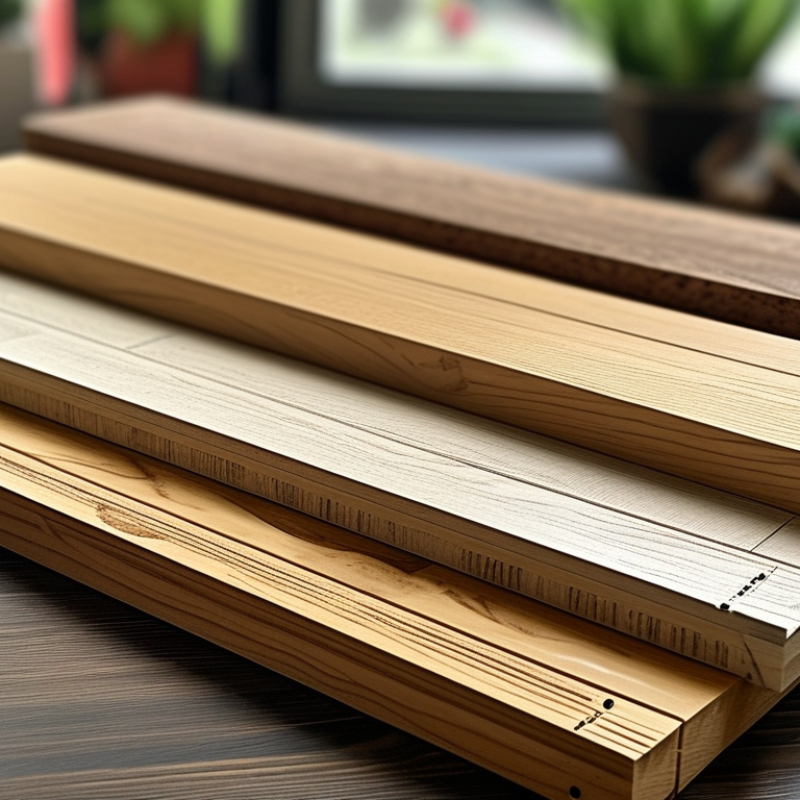
WPC wood slat panels combine wood fibers and plastic for durability. They offer a versatile approach to both indoor and outdoor projects. The materials used in these panels resist moisture and insects, making them a reliable choice. Unlike traditional wood, WPC does not warp or splinter easily. This quality ensures safety, especially in high-traffic areas.
When choosing WPC panels, consider the finish and color. Different looks can significantly impact your space's aesthetic. Some panels replicate natural wood grains beautifully, while others feature vibrant colors. It’s important to spend time on this decision since a poor choice can affect your project's overall visual appeal.
Additionally, ensure the WPC panels meet your project’s structural needs. Some options may provide less flexibility in certain applications. Think through the long-term performance as well. While WPC panels claim durability, some may fade or show wear sooner than expected. Balancing aesthetics with practicality requires careful thought and experience.
When selecting WPC wood slat panels, several key factors come into play. The material’s durability is paramount. WPC panels blend wood fibers with plastic, resulting in a product that resists moisture and decay. This makes it suitable for various climates. However, not all WPC products are created equal. Investigate the longevity of the specific panels you consider for your project.
Aesthetics also hold importance. WPC panels come in various colors and finishes. It’s crucial to choose a style that complements your design. Some panels mimic the look of natural wood. Others may have a more modern vibe. Finding a balance between beauty and function can be challenging. Trust your instincts but also seek advice when needed.
Cost is another variable to weigh. WPC panels can range in price based on quality. Sometimes, cheaper options may appear appealing but can lead to higher maintenance costs later. Comparing different suppliers can reveal significant differences. This aspect often requires careful consideration. Always ask about warranties and installation support. Each project has unique needs, and reflecting on these details will guide your choice.
When selecting WPC wood slat panels for a project, aesthetics play a critical role. The colors and finishes available can create a unique appeal. Natural wood tones like cedar or walnut often evoke warmth and comfort. Alternatively, lighter shades like ash create a modern, airy feel. Evaluating the surrounding environment is crucial. A bright, coastal area may benefit from lighter finishes, while deeper tones work well in wooded settings.
Texture also impacts the final look. Some WPC panels feature a smooth finish, which provides a sleek appearance. Others offer a more textured surface, reminiscent of traditional wood. This choice can impact not only design but long-term maintenance. Textured surfaces may hide scratches better but can accumulate dirt. Smooth finishes, on the other hand, are easier to clean.
Consider how color will age over time. While some shades maintain their appeal, others may fade or weather. Researching the durability of finishes can save future headaches. The right selection can enhance a project, making it memorable. It is essential to balance aesthetic preferences with practical needs for a lasting impact.
When considering WPC wood slat panels for your project, sizing and installation are crucial aspects. The standard width for these panels often ranges from 3 to 6 inches. Thickness can vary from 1/2 inch to 1 inch, impacting durability and aesthetic appeal. According to industry reports, well-chosen dimensions can enhance both the visual and functional aspects of your space.
Installation requires a clear understanding of your environment. These panels work best in climates with low moisture. It's crucial to leave a bit of space for expansion—typically about 1/8 inch between panels. Proper fastening techniques are also essential. Misalignment can lead to an unprofessional finish. Check local codes to ensure compliance, as guidelines may vary widely.
Tips: Measure twice before cutting. Use a level to maintain consistency. Research local installation guidelines. Remember, aesthetics matter, but so does functionality. Reflect on your panel choice; what may look good may not always perform well in different conditions. Consider the balance between appearance and durability to make the best decision.
When selecting WPC wood slat panels for your project, maintenance and durability should be your top priorities. WPC (Wood Plastic Composite) panels are known for their long-lasting qualities, but they still require care to maintain their appearance and function. Regular cleaning is essential. Use a mild detergent and a soft brush to eliminate dirt and grime. This simple step can prevent buildup, extending the life of your panels.
Consider the environment where the panels are installed. Exposure to harsh weather can affect their longevity. For outdoor installations, look for panels with UV protection. While WPC is resistant to moisture, standing water can lead to mold or mildew. Ensure proper drainage in your design to avoid these issues.
Tip: Inspect your WPC panels periodically. Look for signs of wear or damage. Slight discoloration or surface scratches can indicate that maintenance is needed. Taking quick action can prevent more extensive repairs down the line. Remember, even durable materials need a bit of love and attention. Protecting your investment ensures that your project remains stunning and functional for years to come.
: WPC panels blend wood fibers with plastic for durability and moisture resistance.
Durability helps panels withstand varying climates and resist decay over time.
Aesthetics determine how well the panels fit into your overall design scheme.
WPC panels come in various shades, from natural wood tones to modern light colors.
Smooth finishes are easier to clean, while textured surfaces may hide scratches better.
Regularly clean with mild detergent and a soft brush to remove dirt and grime.
Yes, UV exposure and standing water can negatively affect the panels' lifespan.
Check for signs of wear, discoloration, or scratches to address maintenance needs.
Yes, comparing suppliers can reveal price differences and quality variations in WPC panels.
Cheaper panels may incur higher maintenance costs, so weigh initial cost against long-term value.
WPC Wood Slat Panels offer a modern and versatile solution for various construction and design projects. Understanding the materials and benefits of these panels is crucial, as they combine wood and plastic composites to provide durability and aesthetic appeal. When selecting WPC Wood Slat Panels, key factors include project requirements, environmental conditions, and personal preferences. Evaluating options for colors and finishes allows for a tailored look that complements any space.
Sizing and installation considerations are also important to ensure a seamless integration into the project. Proper maintenance practices will enhance the longevity of WPC Wood Slat Panels, ensuring they remain attractive and functional over time. Overall, these panels are an excellent choice for those looking to balance style with practicality in their design endeavors.

Xiuchen