When it comes to interior design, choosing the right Fluted Wall Panel can make a significant impact. These panels not only add texture but also enhance the overall aesthetics of a space. However, selecting the best option can be challenging. With so many styles, materials, and colors available, it's easy to feel overwhelmed.
The perfect Fluted Wall Panel should align with your project's vision. Consider the environment where it will be installed. Is it a high-traffic area or a quiet room? These details can guide your choice. Additionally, think about how the panel complements existing decor. A cohesive look is essential for quality design.
Expert opinions highlight the importance of durability and maintenance as key factors. Some materials require more upkeep than others. Be sure to research these aspects thoroughly. Reflect on your long-term goals. Will the panel stand the test of time? A thoughtful selection can elevate your project, ensuring that your investment pays off in both style and functionality.
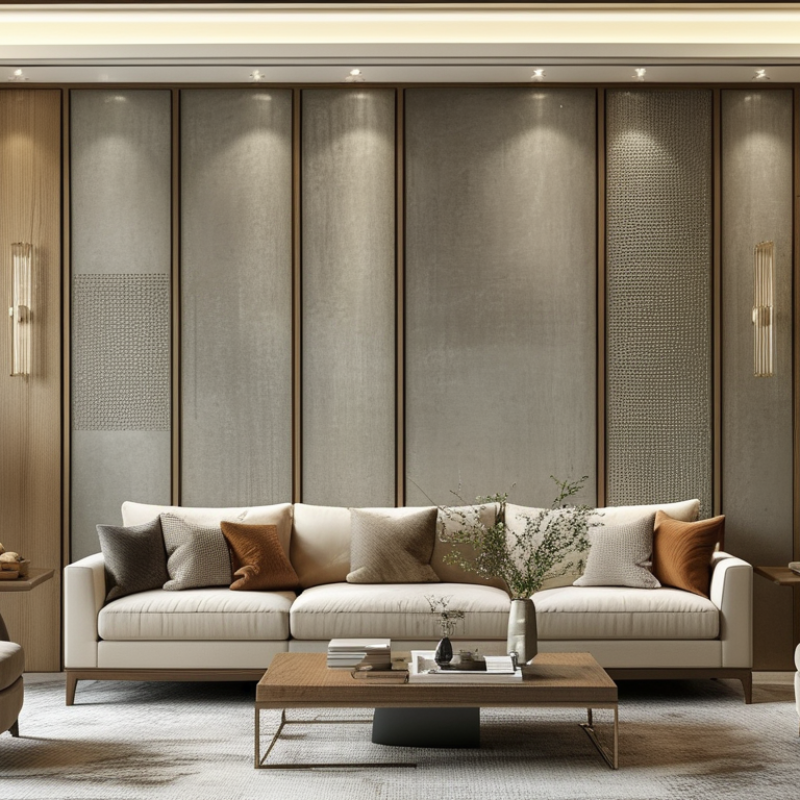
Factors to Consider When Selecting Fluted Wall Panels for Interiors
When selecting fluted wall panels for interiors, it’s important to consider both aesthetics and functionality. The texture and pattern of the flutes can significantly impact the visual appeal of a space. Consider the room’s overall design and color palette. For example, light-colored panels can brighten a room, while dark tones add depth. Don't rush this choice—too often, homeowners opt for trendy designs that may quickly feel outdated.
Durability is another critical factor. Look for materials that withstand wear and tear, especially in high-traffic areas. Different materials like MDF, PVC, or wood have varying levels of durability. Take time to evaluate how each material responds to moisture. A good quality panel won’t warp or damage easily. The installation process should also be a consideration. Some panels require professional installation, while others offer straightforward DIY options.
Budget constraints will inevitably play a role in your selection. Prices can vary widely based on material and complexity of installation. Assess the long-term value of your investment. Sometimes, a more expensive panel can save costs on repairs later. Take time to reflect on what matters most for your project. Each small detail can make a significant difference. Ensure every choice aligns with your vision and needs.
Analyzing Material Options: Wood, MDF, and PVC for Fluted Panels
When selecting fluted wall panels, materials play a crucial role.
Wood is a classic choice. It offers natural warmth and beauty. However, it requires
regular maintenance. Wood can warp or crack over time. This is something to consider if durability
is a priority.
MDF is an engineered option that provides more stability. It’s less prone to
warping and offers a smooth finish. It’s often cheaper than wood. But, it is not as environmentally
friendly. The manufacturing process can produce harmful emissions. This may affect indoor air quality.
PVC panels are gaining popularity due to their durability
and moisture resistance. They are lightweight and easy to install. However, they can lack the aesthetic
appeal of wood or MDF. Sometimes, the synthetic look can seem cheap. Weighing these factors is essential
before making a decision. Consider the long-term effects of your material choice on both aesthetics and practicality.
Understanding the Aesthetic Impact: Color and Texture in Design
Choosing the right fluted wall panel means understanding how color and texture impact design. Colors evoke feelings and set the mood of a space. According to a report by Color Marketing Group, color influences 85% of consumers' buying decisions. For interior designs, this translates to a critical choice in shades. Light colors often make spaces feel larger and brighter, while darker tones can add drama and intimacy.
Texture plays a similar role. It adds depth and interest to flat surfaces. A study from the American Society of Interior Designers shows that textured materials can make spaces feel more inviting. Fluted panels create shadows and highlights, enhancing visual appeal. The choice between smooth or rough finishes can drastically change a room's character.
However, too much emphasis on texture or color can lead to overwhelming designs. Balancing these elements is vital. Designers often face the challenge of integrating fluted panels without clashing with other textures. It requires careful selection and a keen eye for harmony. Being aware of these factors helps to create spaces that are not just visually appealing but also functional and comfortable.
Evaluating Durability and Maintenance Requirements of Panel Materials
When selecting fluted wall panels, durability is key. Different materials offer varying resistance to wear and tear. For example, solid wood panels can bring warmth but require more maintenance. They are prone to scratches and moisture damage. On the other hand, PVC panels are lightweight and moisture-resistant. They can withstand high humidity, making them suitable for bathrooms or kitchens.
Maintenance requirements also vary by material. Some panels need regular sealing or painting to maintain their appearance. This can add to long-term costs. Other materials, like fiberglass, are easier to maintain. They can simply be wiped clean and resist staining.
Consider your project's environment. High-traffic areas may demand tougher materials, while low-traffic spaces could benefit from aesthetic options.
Reflecting on these considerations can be beneficial. Do not overlook the balance between aesthetics and functionality. Sometimes, a beautiful panel may not hold up under daily use. Assessing these factors clearly can help inform your decision.
Cost Analysis: Budgeting for Fluted Wall Panels Based on Industry Standards
When deciding on fluted wall panels, budgeting is crucial. The cost can vary based on material choices, design complexity, and installation methods. Vinyl panels typically offer a lower price point. However, natural wood and metal options can elevate both aesthetics and cost. Each material presents unique advantages and challenges.
Understanding industry standards helps in making informed financial decisions. It’s wise to obtain multiple quotes from suppliers. They provide insights into market rates. Often, costs include not just materials, but also labor. Failing to account for installation can strain your budget later.
Consider your project's scale. A larger area may seem more cost-effective per panel, but additional structural work can increase expenses. Always allocate extra funds for potential surprises. Budgeting needs flexibility, as unexpected costs often arise. Balancing quality and cost is essential, and requires careful thought.
Cost Analysis of Fluted Wall Panels by Material Type
FAQS
: Common materials include wood, MDF, and PVC. Each has different characteristics.
Wood offers natural warmth and beauty. It enhances the aesthetic of any space.
Yes, wood requires regular maintenance. It can warp or crack over time, affecting durability.
MDF provides more stability and a smooth finish. It is typically cheaper but less eco-friendly.
PVC panels are lightweight, moisture-resistant, and easy to install. They withstand high humidity well.
Yes, they might lack the aesthetic appeal of natural wood. Some find them to look cheap.
Wood may need sealing or painting. PVC is easier to maintain and can be wiped clean.
Durable materials like PVC and solid wood panels are better suited for high-traffic spaces.
Consider aesthetics, functionality, and maintenance requirements for your specific environment.
Overlooking the balance between aesthetics and durability can lead to regret later. Reflect on your needs.
Conclusion
When selecting the best Fluted Wall Panel for your project, several factors must be taken into account to ensure both aesthetic and functional satisfaction. Begin by analyzing the material options available, which commonly include wood, MDF, and PVC. Each material presents unique characteristics in terms of aesthetics, durability, and maintenance needs that can significantly impact your interior design.
The aesthetic impact of fluted panels cannot be underestimated; the color and texture can transform a space, making it essential to choose options that align with the overall design theme. Additionally, evaluating the durability and maintenance requirements of each material will help you make a practical choice suited for your environment. Finally, conducting a cost analysis based on industry standards will assist in budgeting for your Fluted Wall Panels, ensuring that you achieve a balance between quality and affordability.

 Xiuchen