Choosing a Wpc Composite Wall Panel in 2026 requires more than comparing colors, prices, or attractive showroom photographs. The right panel must suit the building, climate, maintenance plan, and installation team. A humid bathroom demands different performance from a ventilated living-room feature wall. Small details matter.
Composite-materials engineer Dr. John M. Stark offers a useful principle: “Material selection should begin with the application, not the material.” That idea should guide every purchase. Check the panel’s core composition, surface density, moisture resistance, dimensional stability, and expected service life. Ask for technical data, installation instructions, warranty terms, and independent test results. Do not rely only on words such as “eco-friendly” or “waterproof.” They can hide important limits.
Look closely at the sample. Run a fingernail across its finish. Examine the edge after cutting. Compare color consistency under daylight and warm indoor lighting. A good Wpc Composite Wall Panel should remain stable, cleanable, and visually consistent after installation. Yet no panel is perfect. Some products expand slightly. Others may show scratches or uneven joints when installers rush. That is worth admitting.
This guide explains how to assess modern WPC panels with practical judgment. It considers appearance, structural performance, fire behavior, moisture exposure, recycled content, and long-term value. It also questions common marketing claims. The cheapest option may become expensive after repairs. A premium panel may still disappoint if the wall is poorly prepared. Choose the complete system, not just the board.
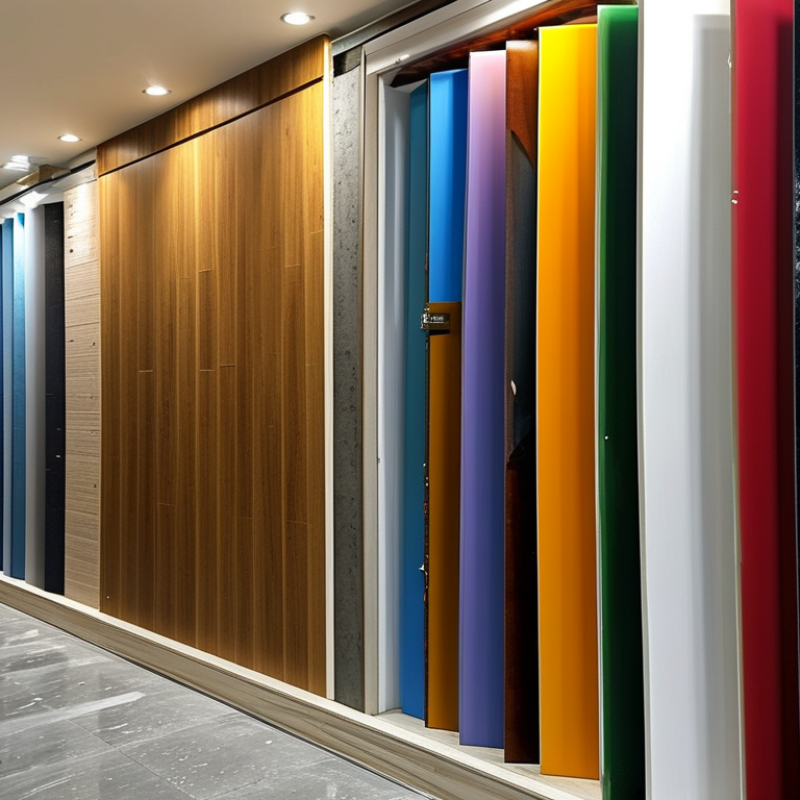
WPC composite wall panels are manufactured boards made from wood fibers and thermoplastic polymers. The mixture is heated, pressed, and shaped into wall cladding. Some panels also contain stabilizers, pigments, and protective surface layers. The result resembles timber, but it usually resists moisture, insects, and everyday staining better than untreated wood.
Look closely at the panel’s structure. A dense core feels more stable beside a bathroom, balcony, or kitchen sink. In practical installations, expansion gaps matter because panels can move during temperature changes. A 3-meter wall may reveal small fitting errors quickly. Check the installation guide, panel thickness, locking method, and recommended wall substrate before purchasing. Poor ventilation behind the cladding can still create trouble.
WPC is not flawless. It can scratch, fade, or soften near intense heat. Dark colors may absorb sunlight and expand more noticeably. I would not choose a panel only because its wood grain looks convincing. Ask for test data covering moisture resistance, fire performance, slip-related surface behavior where relevant, and indoor emissions. Reliable documentation should identify testing methods and product limitations clearly. Certifications can help, but they do not replace correct installation. A sample panel under real lighting may look less attractive than its online image. That small surprise is worth noticing.
When choosing WPC composite wall panels in 2026, compare the material recipe before comparing surface colors. Wood fiber, recycled polymer, and mineral fillers affect stiffness, weight, and moisture response. Grand View Research estimates the global wood-plastic composites market will grow at about 8% annually from 2024 to 2030. Demand is rising, but not every formulation performs equally.
Check the core density first. A denser panel usually feels firmer and resists dents, yet it may increase installation loads. Ask for water absorption data after 24 hours, not vague claims such as “waterproof.” The ASTM D570 test can provide a useful comparison. For humid rooms, inspect the cut edge closely. A poorly sealed edge can swell around screws.
Fire behavior needs separate attention. Request test results for surface burning, smoke development, and heat release under the applicable building code. ASTM E84 is commonly used for surface-burning evaluation, but its result does not describe every fire condition. Mineral-filled cores may improve dimensional stability, though they can become brittle. That trade-off matters.
The core is only part of the panel. Compare thermal expansion, screw-holding strength, acoustic performance, and color stability. The International Energy Agency reports that buildings account for roughly 30% of global energy demand, making envelope performance increasingly relevant. Still, I would not treat a low thermal-conductivity figure as proof of lower energy use. Joint design, insulation, and installation quality often decide the real result. Request independent laboratory reports, batch details, and installation limits. Marketing sheets can be incomplete.
Compare the core formulation by density, 24-hour water absorption, and flexural strength. Lower water absorption generally supports better moisture resistance, while higher flexural strength improves resistance to bending and handling damage.
Values shown are representative midpoints of commonly published technical ranges for unbranded WPC and composite core formulations. Actual results vary with resin type, wood-fiber content, additives, density, and test method. Water absorption is commonly evaluated under ASTM D570, while density and flexural strength are commonly evaluated under ASTM D792 and ASTM D790.
Durability starts with the panel’s actual exposure conditions. In a humid bathroom, check water absorption, edge swelling, and mold resistance. For busy corridors, examine impact strength and surface hardness. Ask for test reports from accredited laboratories, not only sales brochures. A panel should also tolerate daily temperature changes without severe warping. Leave the recommended expansion gap during installation. Small details matter.
Safety needs more than a fire-rating label. Confirm the tested fire classification, smoke performance, and formaldehyde or VOC emissions. Check whether the result applies to the complete wall system, including adhesive, trim, and insulation. A non-combustible-looking surface may still hide a risky backing layer. Poor installation can weaken good materials. That part is often ignored.
Environmental performance requires traceable evidence. Review recycled plastic and wood-fiber content, manufacturing energy data, and available environmental product declarations. Durable panels can reduce replacement waste, but difficult separation may limit recycling later. Ask how offcuts and removed panels should be handled. I would be cautious with vague claims such as “eco-friendly.” They sound convincing, yet they prove little. On one renovation project, the cheapest option created more waste because damaged edges required repeated cutting. My judgment was incomplete then. Cost, maintenance, and end-of-life planning belong in the same decision.
Matching panels to their location matters more than choosing a fashionable color. For living rooms, bedrooms, and offices, select panels with a stable core, low odor, and a comfortable surface texture. Matte finishes can hide fingerprints near desks and dining areas. In bathrooms, use moisture-resistant panels and seal joints carefully around sinks. Decorative grooves look attractive, but they can collect dust. I have found that simple patterns are easier to maintain over time.
Exterior applications demand tougher performance. Choose panels with strong UV resistance, low water absorption, and reliable dimensional stability. A dark panel may absorb more heat under direct sunlight. Leave suitable expansion gaps during installation, especially where temperatures change sharply. Check the wall structure before fixing panels. A beautiful finish cannot correct a weak or damp substrate. Local building and fire requirements should also guide the specification.
Tips: Match the panel texture to cleaning needs. Use warmer tones for shaded interiors and lighter colors for sunny walls. Request technical data before ordering. Compare thickness, impact resistance, fire performance, and installation instructions. Samples can mislead under showroom lighting. View them outdoors and beside existing floors. I would also test one small section first. It may reveal glare, movement, or an unexpectedly artificial appearance.
Installation, maintenance, and lifetime cost deserve more attention than appearance. Measure the wall carefully, including corners, openings, and uneven surfaces. WPC panels need a stable, dry substrate. Small errors can create visible gaps later. Leave the manufacturer’s recommended expansion space around edges and joints. Local temperature changes matter, especially on sun-facing walls. Check fire, moisture, slip, and emissions documentation before ordering. Product claims should be supported by current test reports, not only sales language.
Tips: Request a full installation guide, sample, warranty, and spare-panel estimate. Confirm whether the quotation includes trims, fasteners, delivery, and labor. Ask an experienced installer to inspect the substrate first. This step feels slow, but it can prevent expensive rework.
Maintenance is usually simple, but “maintenance-free” is an unreliable phrase. Dust can collect in textured grooves, while harsh cleaners may dull the surface. Use a soft brush, mild soap, and clean water. Inspect joints twice a year for movement, staining, or moisture entry. Repairing one damaged panel early may cost less than replacing a whole section. Still, not every low-cost panel performs well outdoors. I would compare drainage details, coating durability, and replacement availability before choosing the cheapest quote. A higher purchase price can be reasonable when installation waste, cleaning time, and expected service life are included. Keep the receipts and product data. They are useful when conditions change.
Compare wood fiber, recycled polymer, and mineral filler content. These materials affect stiffness, weight, moisture response, and brittleness. A denser core usually resists dents better. It may also increase installation loads.
Request water absorption data after 24 hours. Do not rely only on “waterproof” wording. Inspect cut edges, screw holes, and joints carefully. Poorly sealed edges can swell in humid rooms.
Ask for surface-burning, smoke-development, and heat-release test results. Use results applicable to your local building requirements. A surface-burning test does not describe every fire condition. Read the limitations.
Mineral fillers may improve dimensional stability. They can also make panels more brittle during cutting or impact. No formulation is perfect. Balance stability against handling risks.
Compare thermal expansion, screw-holding strength, acoustic performance, and color stability. Check independent laboratory reports and batch details. Low thermal conductivity alone does not guarantee lower energy use. Joints, insulation, and installation quality matter greatly.
Choose a stable core, low odor, and comfortable surface texture. Matte finishes can hide fingerprints near desks and dining tables. Simple patterns are usually easier to clean. Decorative grooves collect dust.
Select moisture-resistant panels and seal joints around sinks carefully. Protect screw holes and exposed edges. Check for swelling after cleaning or prolonged humidity. Small tests help.
Look for strong UV resistance, low water absorption, and dimensional stability. Dark colors may become hotter under direct sunlight. Leave suitable expansion gaps for temperature changes. A weak or damp substrate can damage a beautiful finish.
Not always. Showroom lighting can hide glare, color shifts, or artificial textures. View samples outdoors and beside existing floors. Test one small wall section before ordering in bulk. It may expose movement or an unexpected appearance.
Choosing a Wpc Composite Wall Panel in 2026 requires a balanced review of composition, performance, design, and long-term value. These panels generally combine wood-based fibers with polymer materials, creating a practical alternative to traditional wall finishes. When comparing options, examine the core density, surface layer, dimensional stability, moisture resistance, fire performance, acoustic qualities, and available textures or colors. A reliable product should also support healthy indoor environments and demonstrate responsible material use, recyclability, or reduced maintenance impact where applicable.
Application needs should guide the final selection. Interior spaces may prioritize appearance, sound control, easy cleaning, and quick installation, while exterior areas require stronger resistance to moisture, sunlight, temperature changes, and impact. Buyers should also consider installation systems, cutting requirements, expansion gaps, warranty terms, cleaning routines, labor costs, and total service life. By comparing initial price with durability and maintenance needs, users can select panels that provide consistent performance, attractive design, and practical value throughout 2026.

Xiuchen