When considering WPC wall panels for your projects, it's crucial to make informed decisions. WPC, or Wood-Plastic Composite, offers durability and aesthetic appeal. These panels are increasingly popular for indoor and outdoor applications. However, choosing the right WPC wall panel can be overwhelming due to the variety of options.
Expert advice can significantly influence your selection. Focus on quality, appearance, and environmental impact. Not every WPC wall panel will suit your needs or budget. Some options might look appealing yet perform poorly in harsh conditions. Pay attention to the specifications and manufacturer reputation.
While WPC wall panels promise many benefits, it's essential to assess potential drawbacks. For instance, some installations may require additional maintenance. You must weigh the pros and cons carefully. Making the right choice will enhance your project's longevity and aesthetic value.
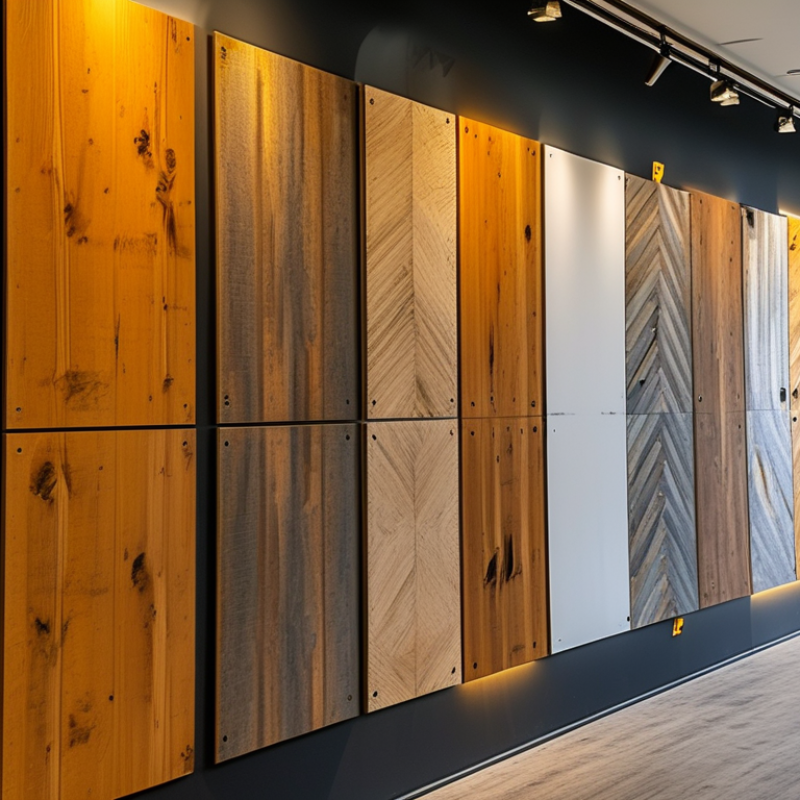
WPC wall panels, composed of wood fibers and thermoplastics, offer unique benefits for various projects. These panels are known for their strength, durability, and resistance to decay. A recent industry report highlighted that WPC materials can last up to 25 years, making them a reliable choice for both indoor and outdoor applications.
In addition to their longevity, WPC panels are eco-friendly. A study by the National Renewable Energy Laboratory reported that WPC production reduces waste by utilizing recycled materials. This aligns with the growing demand for sustainable construction solutions. However, it's essential to consider that while WPC panels are resistant to moisture, they may still expand or contract under extreme temperature changes.
Budget constraints can complicate panel selection. While WPC panels might appear more expensive upfront, their durability reduces long-term costs. According to market research, choosing quality materials can result in a 20% decrease in maintenance expenses. However, customers should weigh options carefully, as not all WPC panels are created equal. Investing in quality usually pays off, but it requires thorough research to avoid potential pitfalls.
When choosing WPC wall panels, consider your project's specific requirements. Look at the panel's material composition, as this affects durability and resilience. WPC, or wood-plastic composite, combines wood fibers with plastic, offering resistance to moisture and pests.
Evaluate the texture and finish options available. Some panels mimic natural wood grain, while others feature modern designs. Think about the visual impact you desire. Realistic finishes can enhance aesthetics but might require more upkeep.
Consider installation methods and the panel's weight. Heavier panels may need additional support. Look into how panels interlock or adhere to surfaces. Reflect on your skills or resources before deciding. You may need professional help for complex installations.
Choosing WPC wall panels involves several key factors that can impact your project's success. A primary consideration is the material's durability. WPC, or wood-plastic composite, offers resistance to moisture, rot, and pests. This makes it an ideal choice for both indoor and outdoor applications. However, not all WPC panels are created equal. You should investigate the composition and manufacturing process of the panels to ensure quality.
Aesthetic appeal is another significant factor. WPC wall panels come in various colors, textures, and finishes. Select options that complement your design vision while ensuring they can withstand environmental conditions. It's important to balance style with functionality. Reflect on how the chosen panels will look over time. Will they retain their appearance? Regular maintenance may be required to keep them looking fresh.
Lastly, consider the environmental impact. WPC panels are often marketed as a sustainable choice. However, confirmation of eco-friendly practices is vital. Investigate sources and certifications of the materials used. Sustainable choices may benefit your project and the environment. Remember, overlooking these aspects could lead to costly mistakes in the long run. Choose wisely, and let informed decisions guide your selection process.
When considering WPC wall panels, it's crucial to address their sustainability and environmental impact. These panels are made from a blend of wood fiber and plastic. This combination reduces reliance on traditional timber resources, potentially alleviating deforestation pressures. It’s a significant benefit, but the sourcing of the plastic content matters. If sourced from non-renewable fossil fuels, the ecological advantages diminish.
Choosing WPC wall panels also raises questions about recyclability. Many are not easily recyclable, which can lead to landfill additions over time. Responsible disposal is key. Some manufacturers are improving this aspect, but not all offer clear recycling options. It's essential to verify the end-of-life solutions for any panel you consider.
While WPC panels can mimic natural wood, the production methods can involve chemical additives. Some may harm indoor air quality. Investigating these materials is important for health-conscious consumers. Striking a balance between aesthetic desires and environmental responsibility is challenging. The choice of WPC wall panels should include careful consideration of their total ecological footprint.
When installing WPC wall panels, preparation is key. Ensure that the wall surface is clean and dry. Check for any uneven areas that might need fixing. An even surface makes the installation process smoother and improves the final appearance. Use proper tools for cutting panels to avoid damage. Always wear safety equipment while working. This protects you from sharp edges and dust.
During installation, start from the bottom and work your way up. This helps in aligning the panels correctly. Leave small gaps for expansion, especially in areas with temperature changes. Proper spacing prevents warping and ensures longevity. After installation, inspect for any gaps or misalignments. While it can be tempting to overlook these details, they can lead to bigger issues later.
Maintenance is often forgotten but crucial. Regular cleaning with mild soap and water helps maintain the panels' appearance. Avoid harsh chemicals that may damage the surface. An occasional inspection for signs of wear is beneficial. Address any issues early to prevent costly repairs. Reflecting on your maintenance strategy can lead to better outcomes. Think about how you can improve your routine.
: WPC wall panels are composed of wood fibers and thermoplastics.
WPC materials can last up to 25 years.
Yes, they reduce waste by utilizing recycled materials.
Yes, they may expand or contract with extreme temperature changes.
They have a higher upfront cost but reduce long-term maintenance expenses.
Ensure the wall surface is clean, dry, and even before installation.
Begin installation from the bottom and work your way up.
Regular cleaning with mild soap and water is recommended.
Avoid harsh chemicals that may damage the panels' surface.
Regular maintenance prevents costly repairs and enhances longevity.
WPC wall panels, made from a composite of wood fibers and plastic, offer numerous benefits for various projects, including durability, aesthetic appeal, and ease of maintenance. When evaluating different types of WPC wall panels, it is essential to consider factors such as design, texture, and water resistance to meet specific project requirements.
Additionally, sustainability plays a crucial role in choosing WPC wall panels, as they are typically more eco-friendly compared to traditional materials. Understanding installation and maintenance tips can also enhance the longevity and performance of WPC wall panels, ensuring they remain a reliable option for enhancing interior and exterior spaces. By carefully considering these aspects, one can make an informed decision that aligns with both functional needs and environmental consciousness.

Xiuchen