An authoritative deep dive into global supply dynamics, material science, and design engineering for WPC Bedroom Wall Panels.
In the contemporary B2B architectural material procurement sector, Wood Plastic Composite (WPC) wall panels have transitioned from alternative finishing elements to fundamental components of high-performance building specifications. Modern interior designers, developers, and project managers favor WPC systems not merely for their visual versatility, but for their structural and chemical attributes. This document explores the technical benchmarks, global industrial frameworks, manufacturing configurations, and lifecycle performance criteria that define premium bedroom WPC systems.
The global demand for high-quality WPC bedroom wall panels has experienced a compound annual growth rate (CAGR) of over 8.4% in the last fiscal cycle. Driven by strict sustainability frameworks, such as the EU Green Deal and LEED v4 certifications in North America, construction systems are evolving rapidly. Wood plastic composites achieve this standard by blending bio-based cellulose materials (like wood flour and agricultural waste fibers) with high-density polyolefins or specialized PVC matrices.
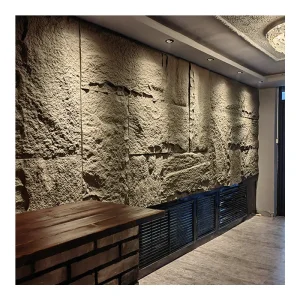
As governments ban raw wood harvesting in primary forestry zones to protect ecological biodiversity, engineered composite alternatives are essential. WPC paneling mimics the grain and texture of rare species—such as teak, mahogany, and white oak—without consuming natural wood resources. In hospitality projects and high-density residential structures, developers specify these materials to reduce carbon footprints while achieving long-lasting aesthetic appeal.
A rigorous understanding of WPC chemistry is vital for commercial specifiers. Basic WPC blends consist of raw PVC or PE and untreated wood dust. Premium WPC boards, however, use a modified formulation: approximately 50-60% highly refined wood fibers, 30-40% virgin polyvinyl chloride (PVC) polymers, and 10% chemical processing additives. These additives include thermal stabilizers, UV blockers, organic pigments, and coupling agents that bond the organic fibers to the polymer chains.
Our co-extrusion technology creates a dual-layer extrusion. The high-density inner core provides structural stability, while the external co-extruded layer shields the panel from moisture, scratches, and UV degradation. This process prevents warping and swelling, keeping moisture absorption below 0.5% after 24 hours of submersion. It ensures stable, long-term performance in air-conditioned bedrooms prone to seasonal humidity variations.
15 Years of Industrial Excellence & Scientific R&D
Shandong Xiuchen New Material Co., Ltd. is a leading manufacturer of environmentally friendly decorative materials, backed by 15 years of R&D and production experience. Our advanced facilities support a comprehensive product catalog, including WPC Wall Panels, WPC Timber Tubes, PS Wall Panels, PS Mouldings, PS Stone Wall Panels, WPC Decking, SPC Flooring, Acoustic Panels, and related accessories.
Equipped with state-of-the-art extrusion lines, precision blending systems, and automated post-processing machinery, our facility operates under strict quality standards. Our technical and management teams ensure we remain at the forefront of interior material innovation, delivering high-performance products that meet global regulatory benchmarks.
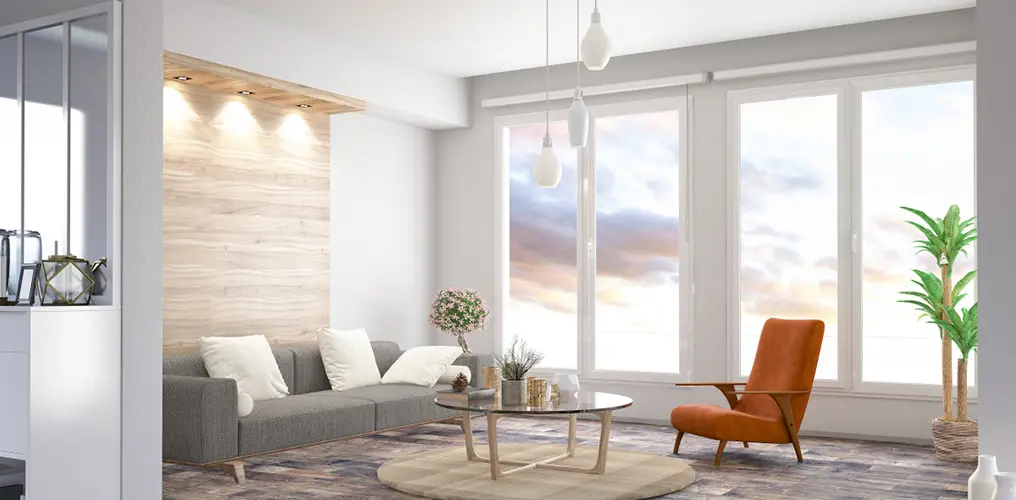
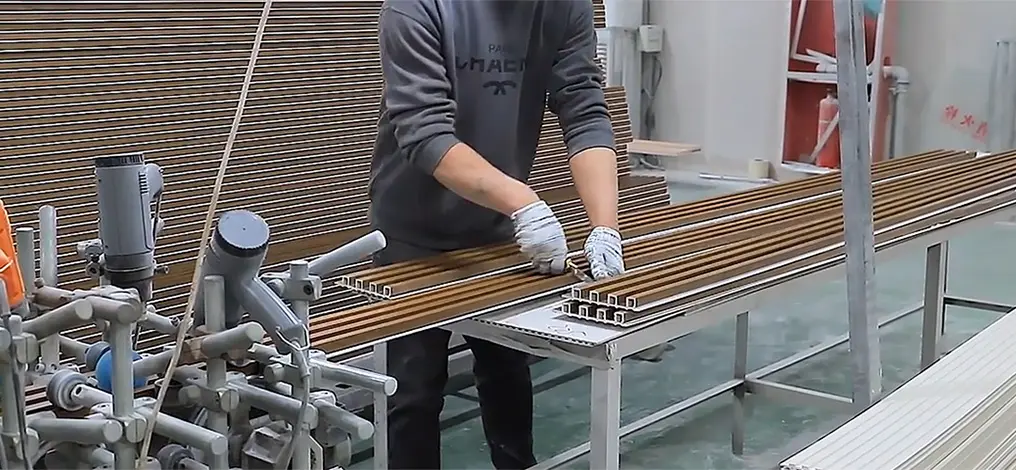
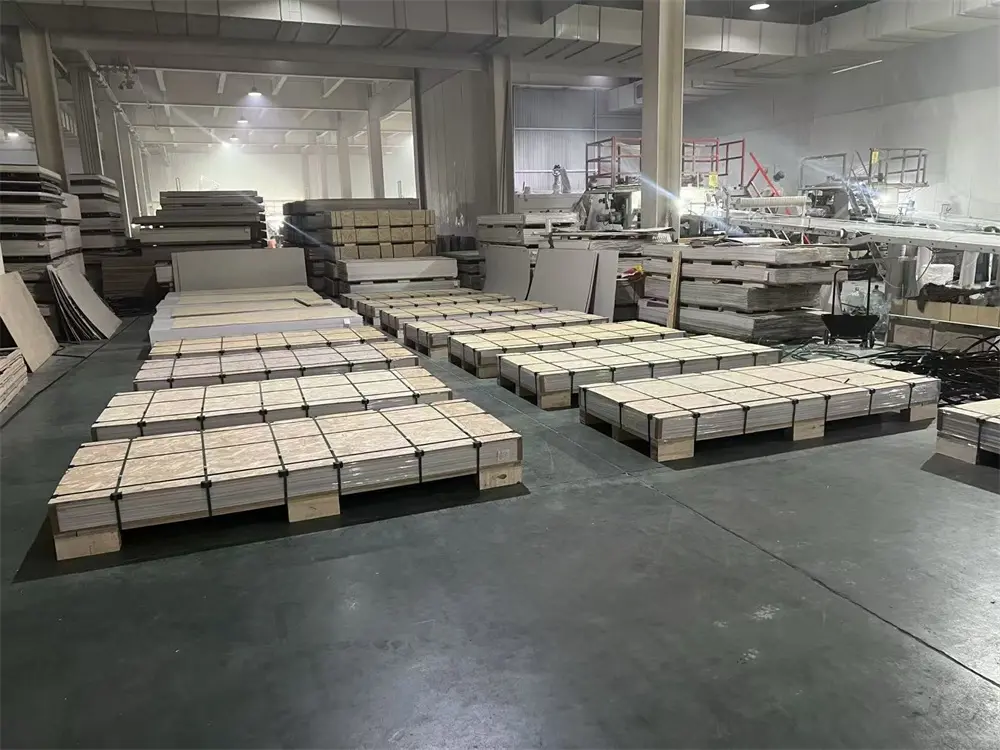
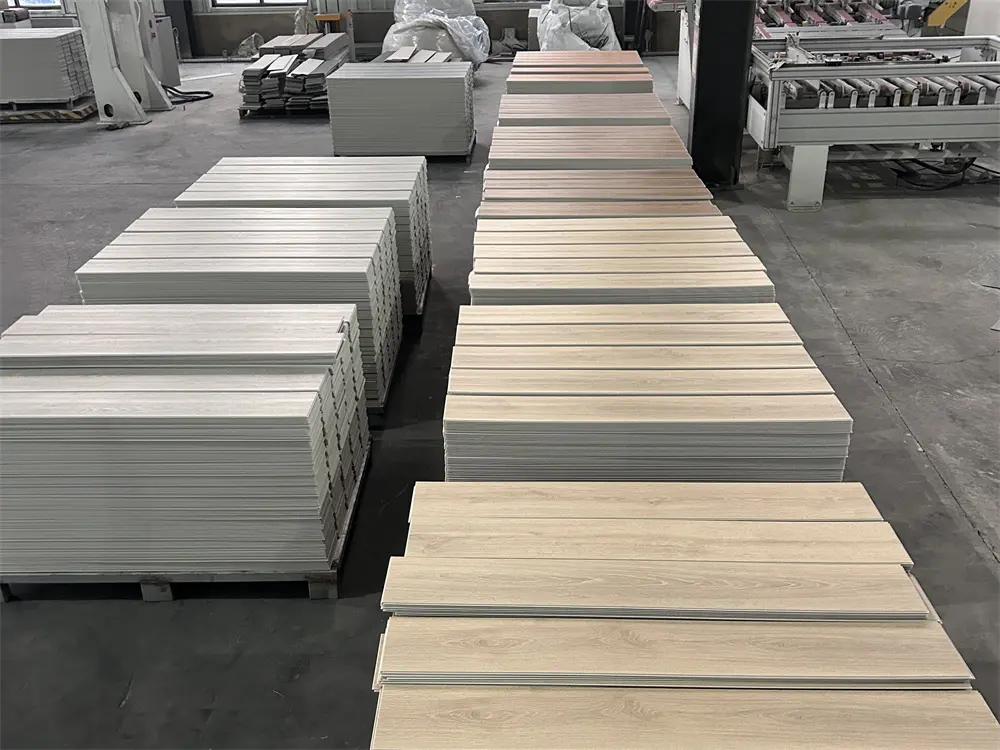
Engineered for commercial, hospitality, and high-end residential interiors.
Selecting a WPC manufacturing partner requires evaluating quality assurance, advanced technology, organic and sustainable practices, a diverse product range, and a customer-focused support team. Shandong Xiuchen New Material Co., Ltd. satisfies these requirements through structural verification protocols and a responsive logistics system.
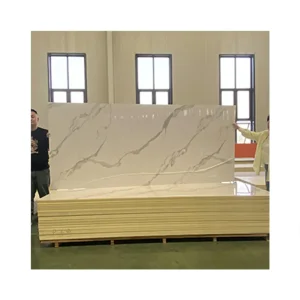
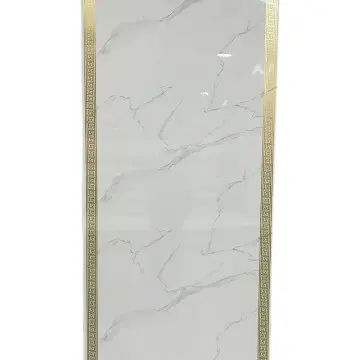
Our technical management teams coordinate closely with architects and design specifiers to tailor product characteristics, such as acoustic attenuation coefficients and surface gloss levels. By using high-gloss UV coatings on PVC marble sheets and integrating active acoustic felt backings on composite panels, we deliver solutions that align with international building codes.
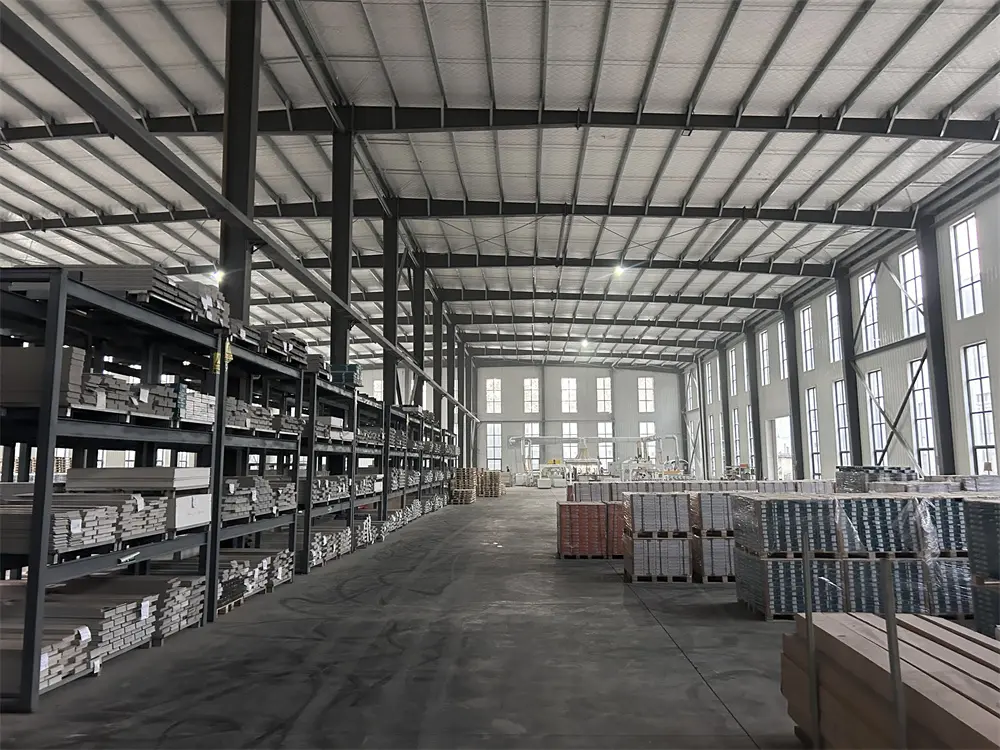
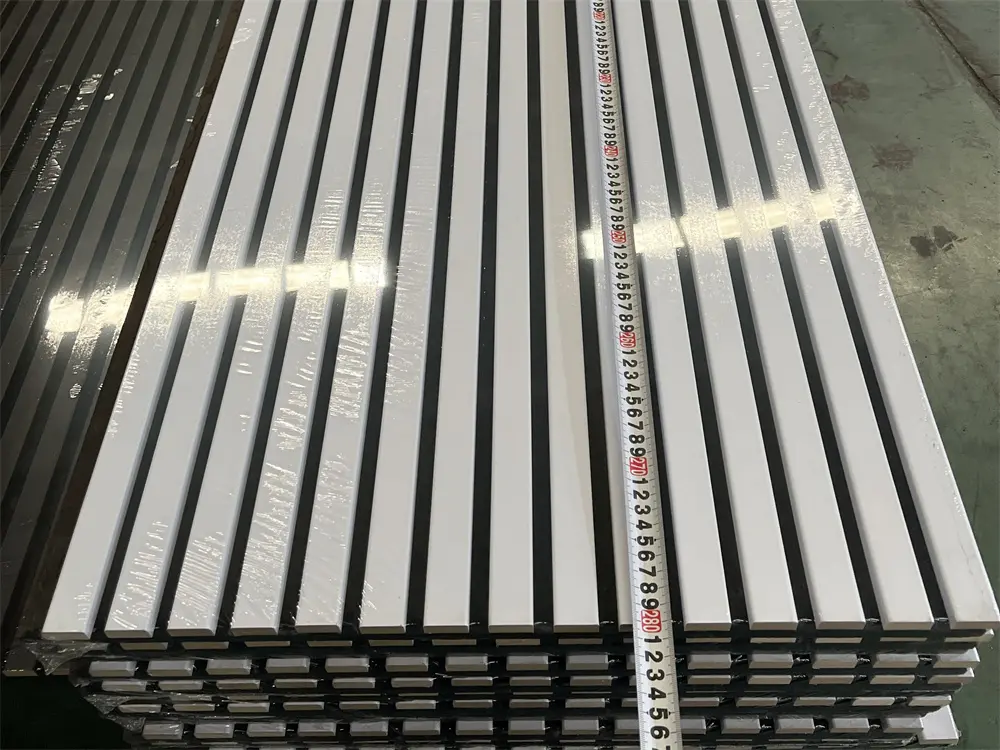
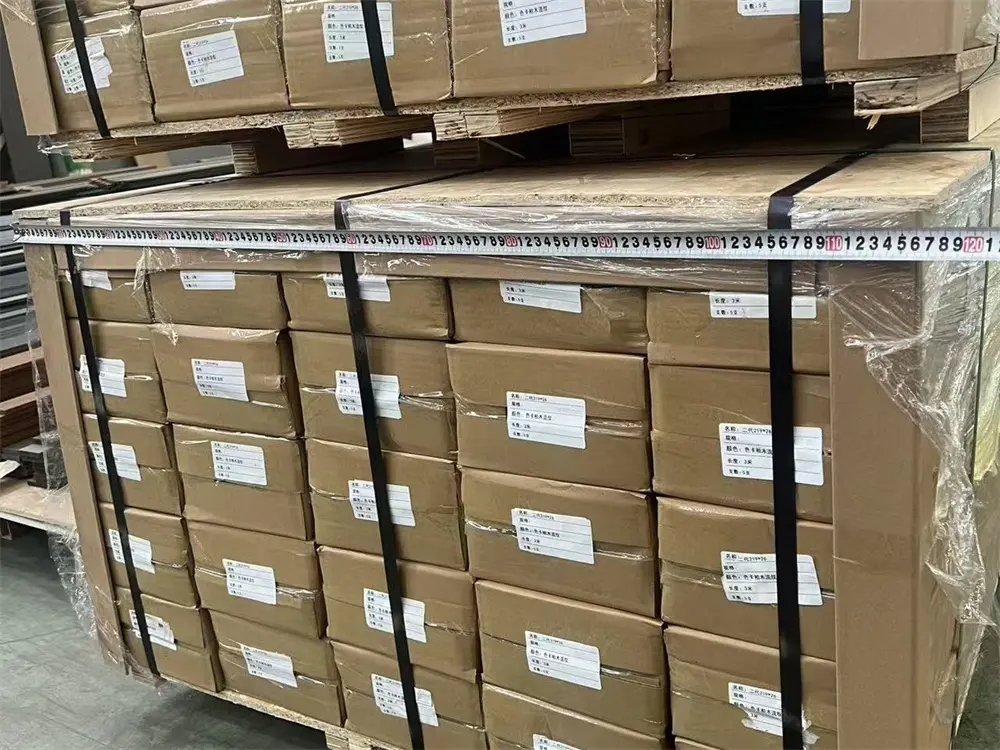
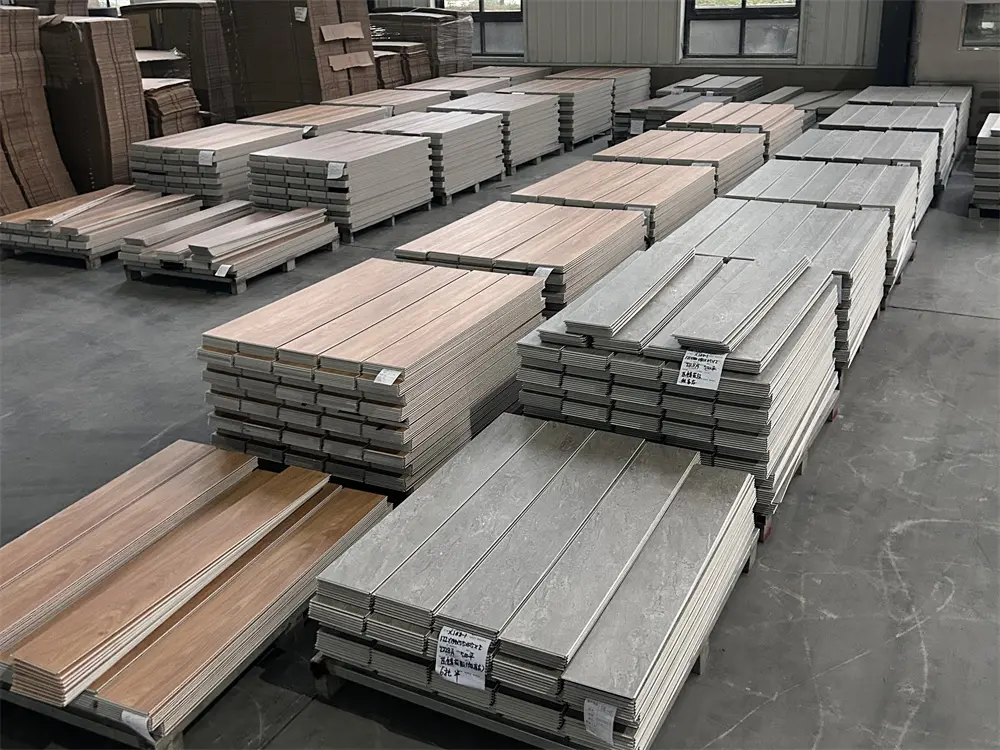
WPC manufacturing continues to advance through material science. The R&D division of Shandong Xiuchen New Material Co., Ltd. is focused on three primary areas: flame-retardant enhancement, acoustic integration, and biophilic surface texturing.
Traditional wall finishes often struggle to meet the strict fire safety codes required for commercial multi-family residential projects. Our updated WPC compound features flame-retardant additives integrated directly into the matrix, helping our products achieve a B1-s1, d0 fire rating under EN 13501-1 standards. This designation means the panels contribute minimally to fire spread, produce low smoke, and generate no flaming droplets, giving occupants critical egress time.
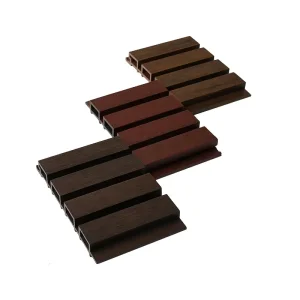
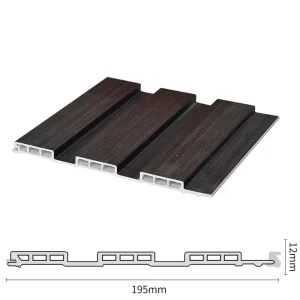
Bedrooms are designed for rest, making noise control a key priority. Our latest fluted WPC panel profiles act as natural diffusion surfaces that scatter high-frequency sound waves. When paired with soundproofing boards or backing layers, this combination reduces echo and improves sound isolation, helping developers meet building standards for airborne noise attenuation.
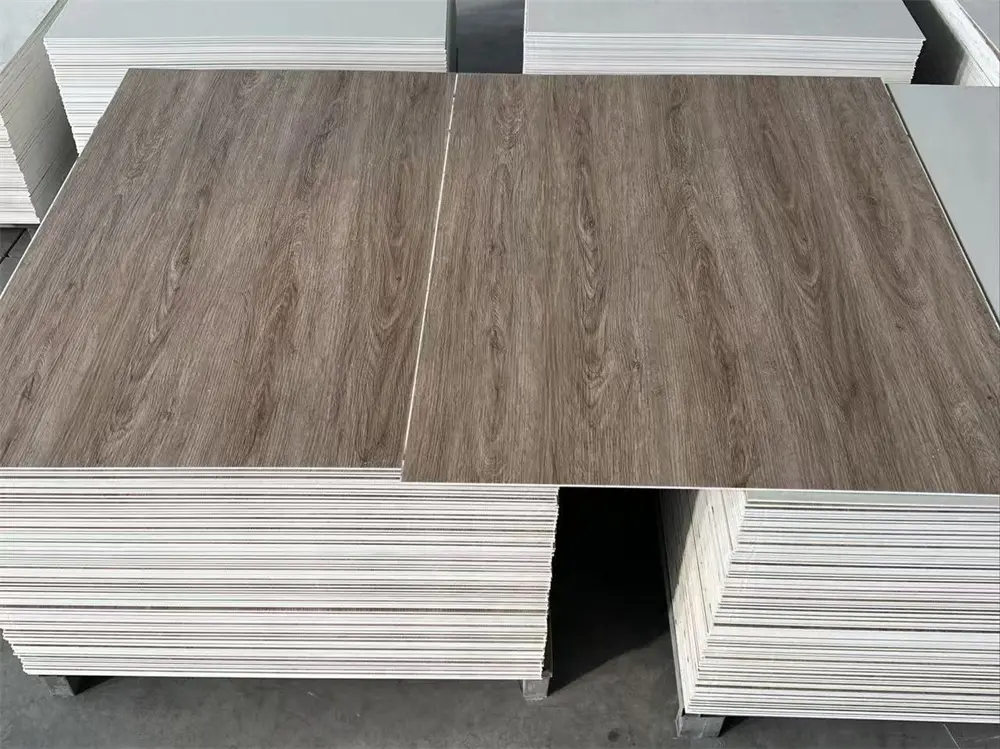
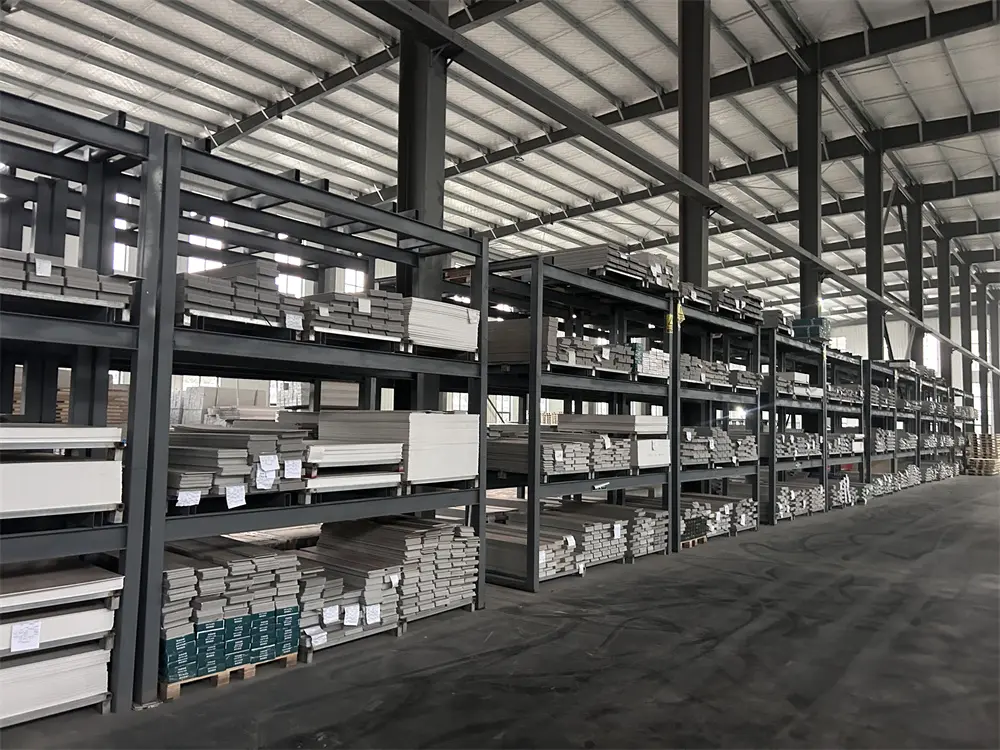

We are committed to reducing petro-chemical dependence by incorporating bio-resins made from post-consumer recycled polymers. This shift lowers the carbon footprint of our manufacturing process. We ensure all WPC panels remain 100% recyclable, allowing end-of-life materials to be ground down and re-extruded into new architectural products.
WPC wall systems adapt well to different climates and installation standards worldwide.
Addressing key technical questions from architects, procurement directors, and building material distributors.
 Xiuchen