Explore our top-tier featured interior surfaces engineered for aesthetic durability, acoustic mitigation, and moisture defense.

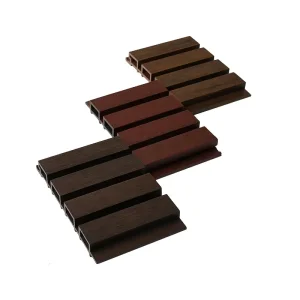
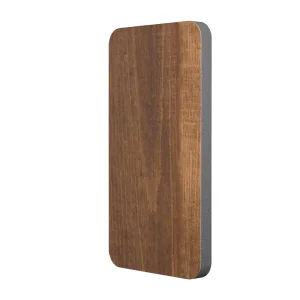
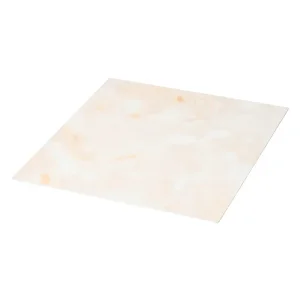
In the contemporary landscape of architectural development, commercial design, and residential renovation, material choice is no longer driven solely by surface-level aesthetics. Global developers are confronting the dual pressures of carbon neutrality compliance and rising construction overhead. Wood Plastic Composite (WPC) indoor wall panels have emerged as the standard alternative to plasterboard, traditional solid wood, and stone facades. Engineered using a synergistic formulation of wood flour and thermoplastic polymers, WPC represents a major technical advancement in building material science.
WPC indoor wall panel manufacturers are playing a vital role in providing solutions that address the inherent flaws of natural timber—such as susceptibility to moisture swelling, insect infestation, and rapid flame propagation. By optimizing the distribution of cellulose microfibers within a polymer matrix (such as Polyethylene or Polyvinyl Chloride), manufacturers produce panels that are structurally stable, moisture-impervious, and low-maintenance. This performance profile is essential for large-scale commercial fit-outs where product lifecycle costs and durability dictate architectural specifications.
“The global composite panels market size is projected to expand significantly, driven by shifts towards green building certifications (such as LEED and BREEAM) and prefabricated, modular construction techniques.”
From a technical standpoint, the physical properties of WPC are determined by the molecular configuration of the wood-polymer interface. High-quality WPC indoor wall panel factories utilize specialized coupling agents—specifically maleic anhydride grafted polyolefins—to ensure robust interfacial bonding between the hydrophilic wood flour and hydrophobic polymers. This mechanical formulation results in high flexural modulus, superior screw-holding power, and resistance to environmental stress cracking.
A 15-Year Legacy of R&D and Production Innovation
Shandong Xiuchen New Material Co., Ltd. is a specialized manufacturer of eco-friendly interior decorative materials. Leveraging over fifteen years of specialized research, development, and high-volume extrusion manufacturing, we offer high-performance solutions for commercial and residential applications globally.
Our production facility operates state-of-the-art extrusion lines, advanced milling machines, and automated surface treatment systems. Our technical teams maintain quality control systems that ensure dimensional consistency, flame retardancy, and low VOC emissions for every batch of panels produced.
Equipped with twin-screw extrusion systems that deliver precise control over temperature and pressure profiles, ensuring uniform material density.
We combine recycled cellulose fibers and high-density polymers to reduce carbon footprints, eliminating toxic emissions and formaldehydes.
Rigorous internal laboratory testing for fire resistance, density, waterproof properties, and impact resilience across all product categories.
A closer look inside Shandong Xiuchen New Material Co., Ltd.'s operations, showcasing our raw material storage, extrusion processes, and quality checks.
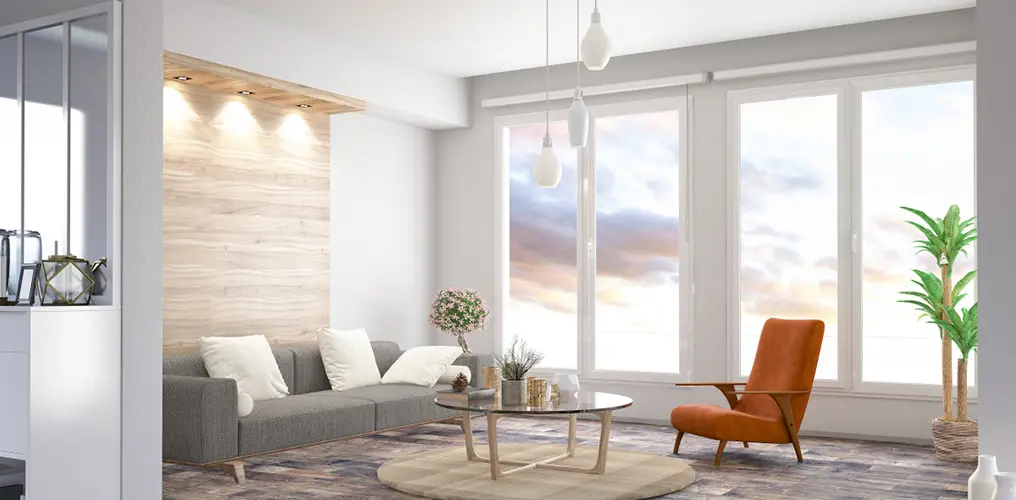
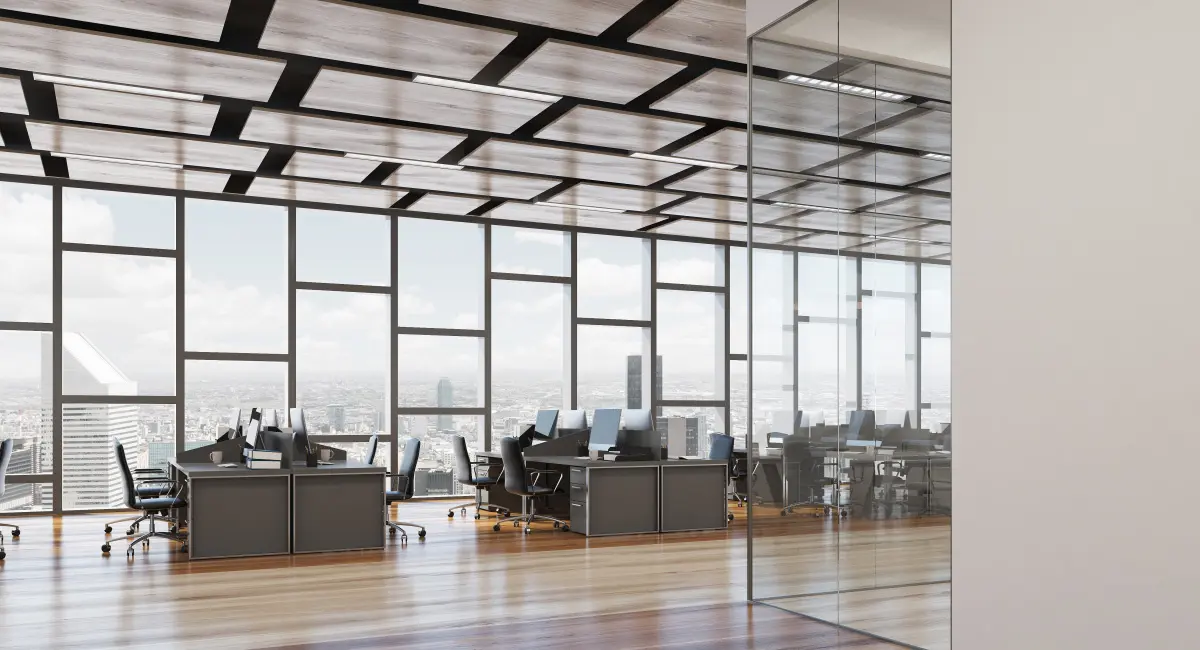
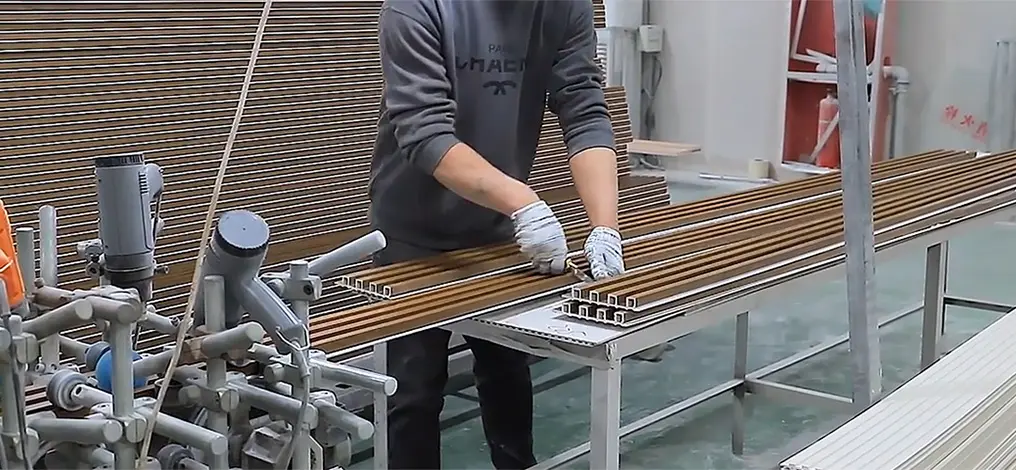
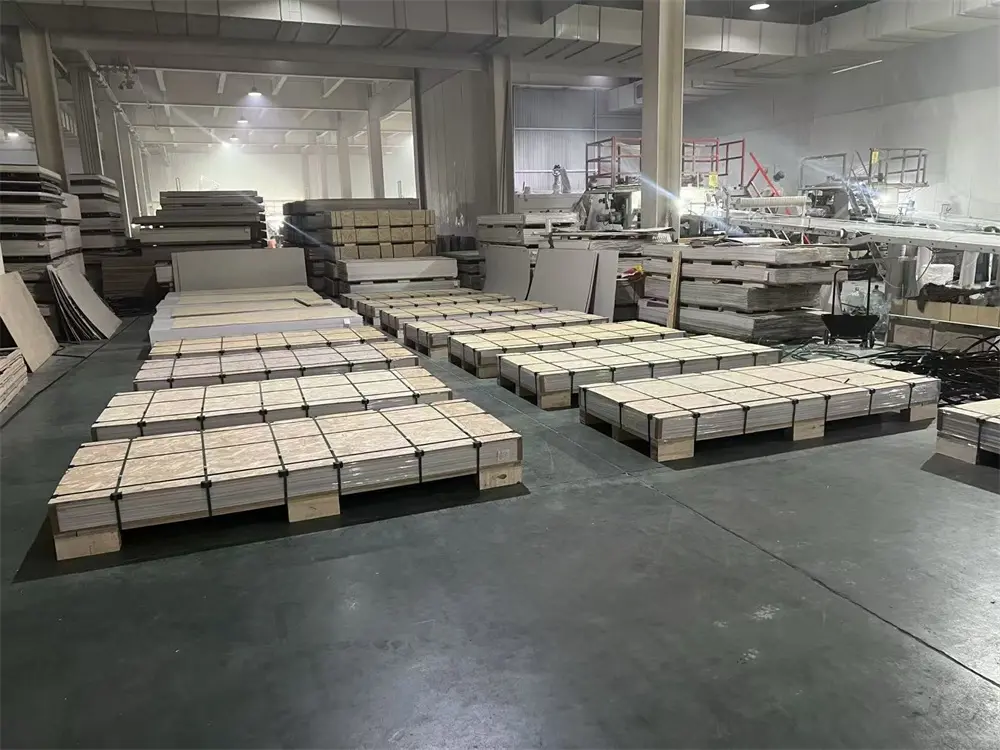
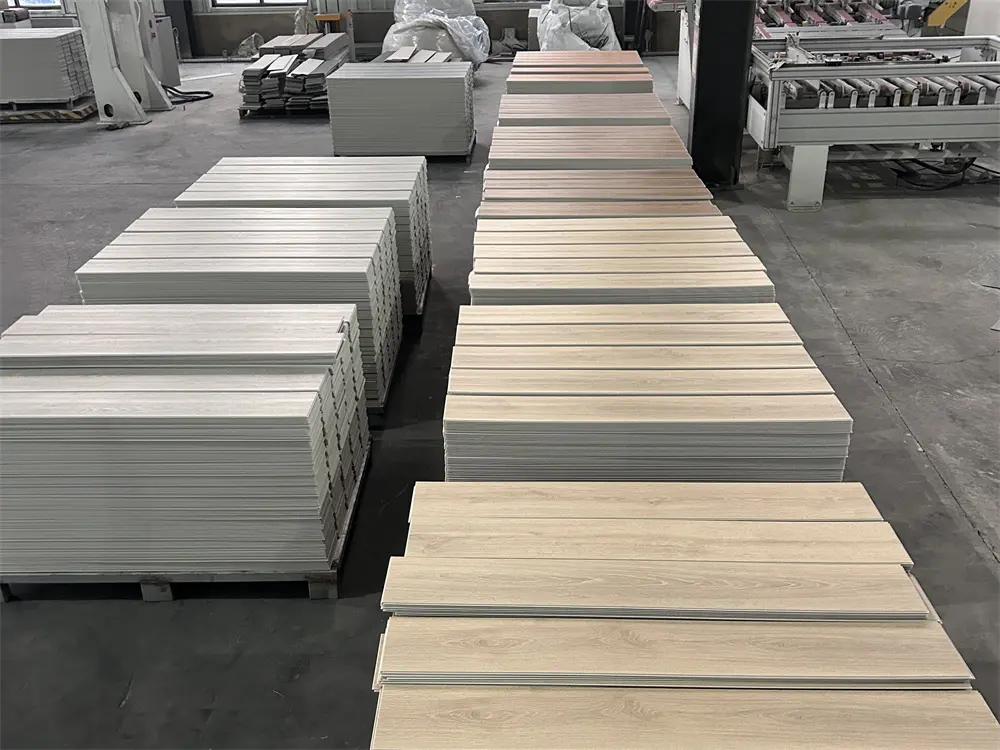
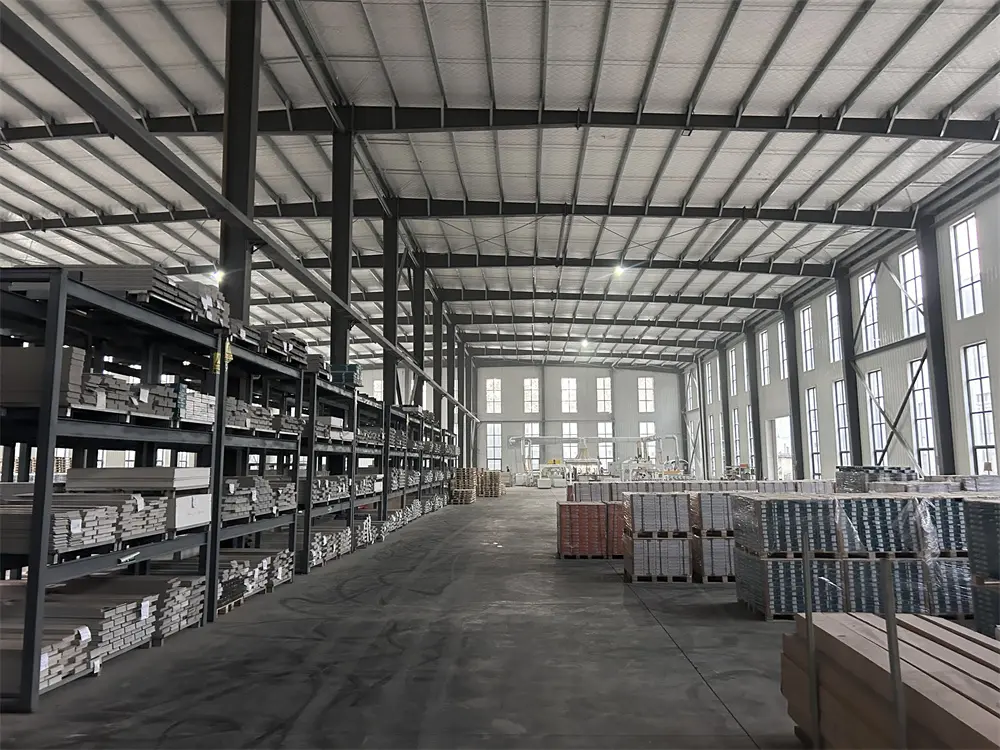
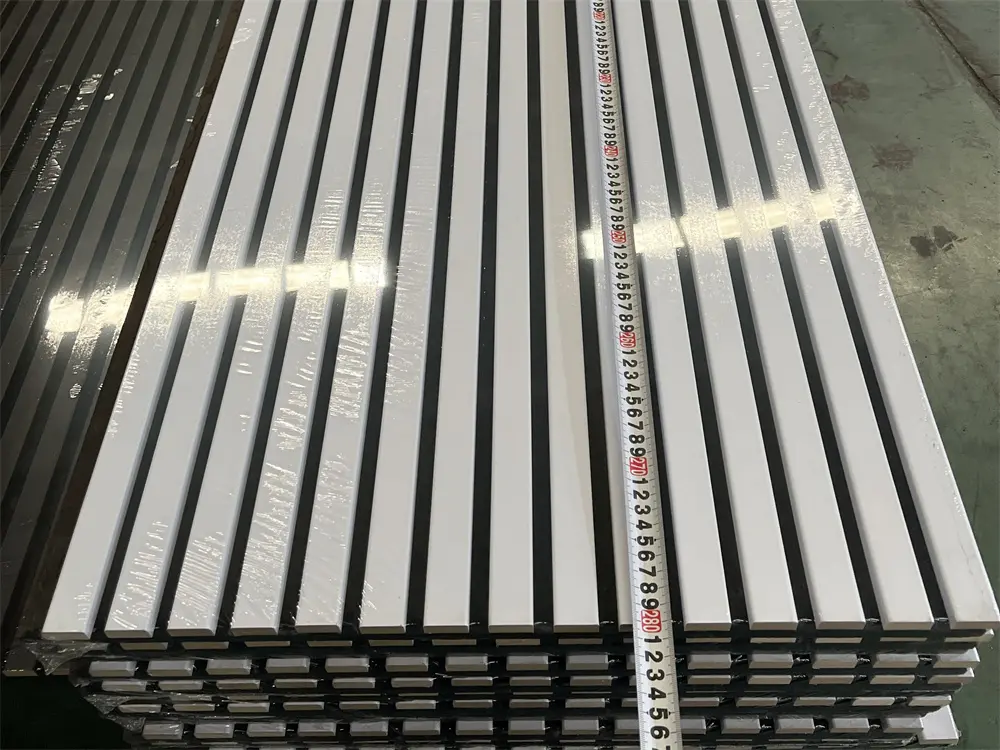
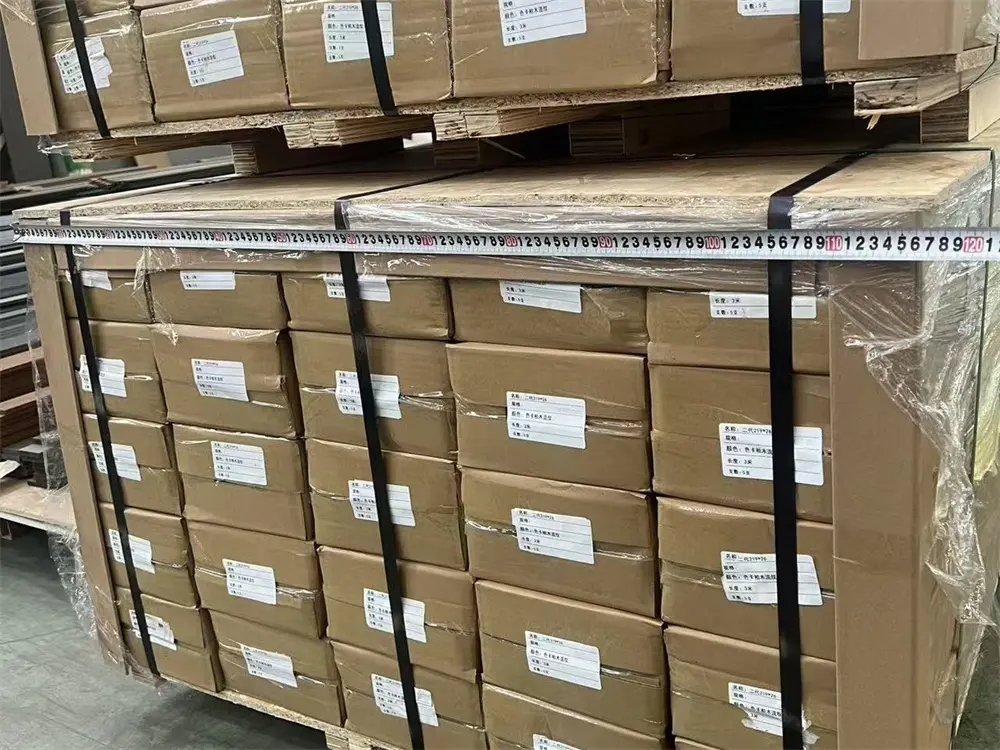
Designed to meet a wide range of interior architectural requirements, our materials integrate aesthetic variety with technical performance.
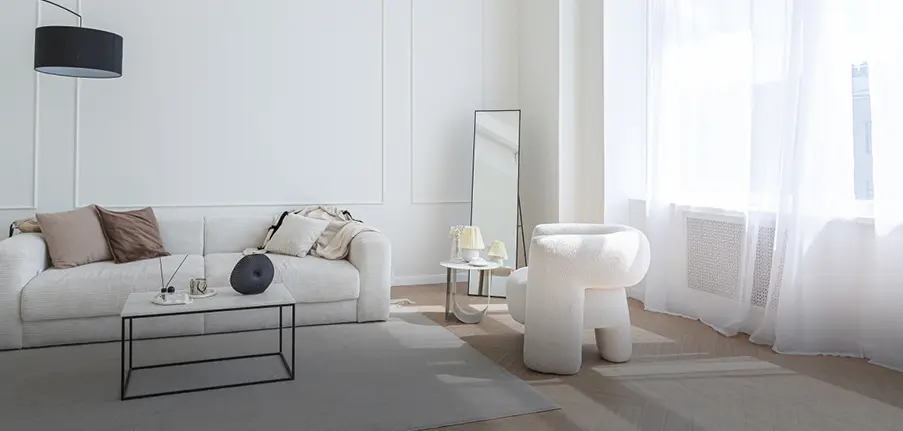
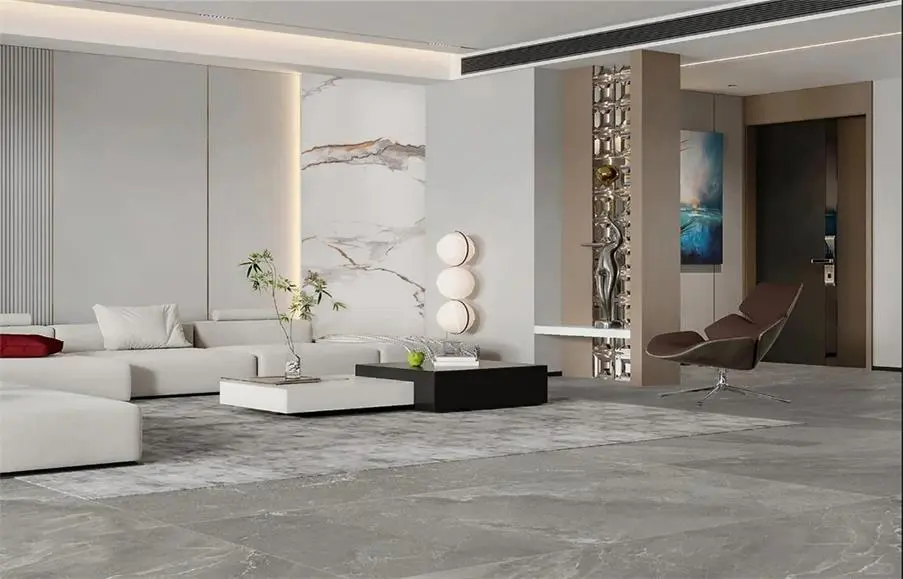
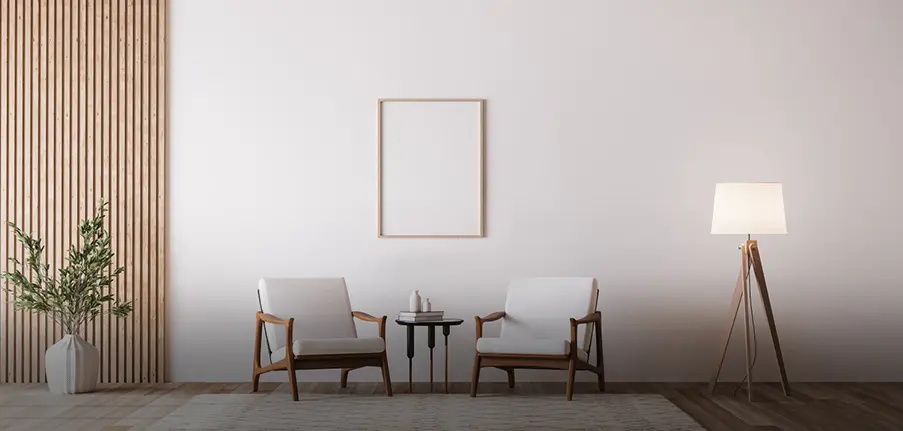
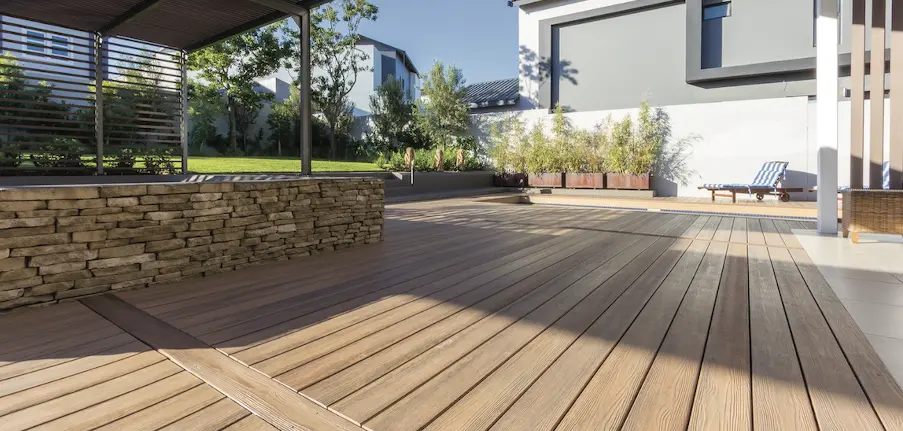
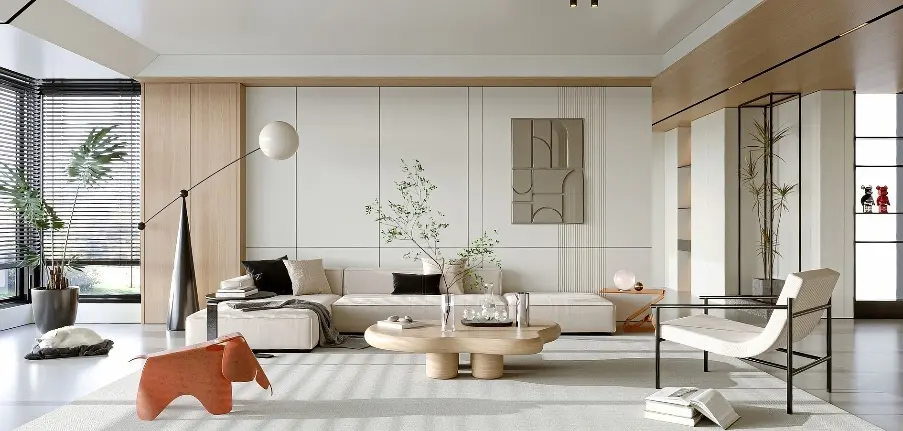
The manufacturing process at the Shandong Xiuchen factory begins with selecting high-grade raw components. Unlike lower-tier manufacturers that utilize unregulated post-consumer plastics, Xiuchen enforces a strict quality standard using high-density polyethylene (HDPE) or premium grade PVC mixed with clean wood fiber flour. The ratio is stabilized at 60% wood fiber, 30% synthetic polymer, and 10% structural additives (such as ultraviolet stabilizers, coupling agents, lubricants, and flame retardants). This specific ratio provides high tensile strength, dimensional stability, and resistance to environmental stress cracking.
| Performance Characteristic | Xiuchen Premium WPC | Solid Natural Timber | Standard MDF Core |
|---|---|---|---|
| Moisture Absorption | < 0.5% (Non-swelling) | 15% - 25% (High warping risk) | > 12% (Structural degradation) |
| Formaldehyde Emission | Grade E0 (Non-hazardous) | Variable (Dependent on adhesive) | Grade E1/E2 (Adhesive off-gassing) |
| Fire Classification | Class B1-S1 (Flame retardant) | Class D (Highly flammable) | Class E/D (Uncoated) |
| Termite/Insect Resistance | 100% Resistant | Vulnerable (Requires treatment) | Vulnerable to infestations |
| Expected Lifecycle | 20+ Years | 5 - 10 Years (Requires staining) | 3 - 7 Years (Interior application) |
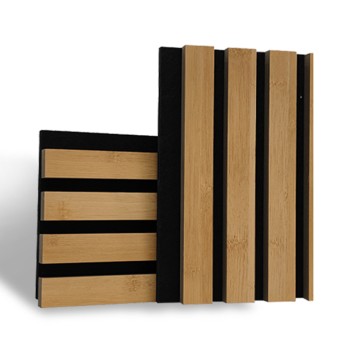
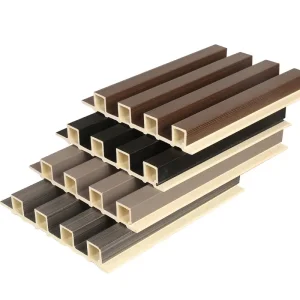
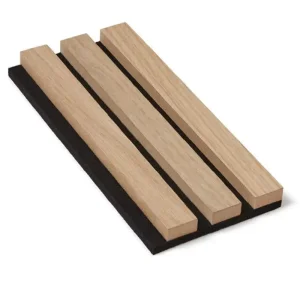
Modern commercial buildings—particularly hospitality, healthcare, and educational institutions—require specific acoustic comfort levels. Standard drywalls often fail to control echo and reverberation times. Xiuchen's WPC and specialized MDF Akupanel Wood Slatted Acoustic Felt Panels offer calculated sound absorption. The acoustic felt backing, combined with the geometric spacing of the fluted WPC panel face, acts as a Helmholtz resonator. This structure absorbs energy across mid to high frequencies, reducing sound transmission class (STC) ratings without requiring additional heavy backing materials.
The durability of WPC panels is enhanced by the co-extrusion capping process. This method wraps the inner core in an outer layer of engineering plastic, providing protection against mechanical damage, staining, and moisture ingress. WPC panels treated with our multi-layered polyurethane UV coatings show strong resistance to color fading, ensuring color stability even when exposed to direct sunlight in highly illuminated indoor spaces.
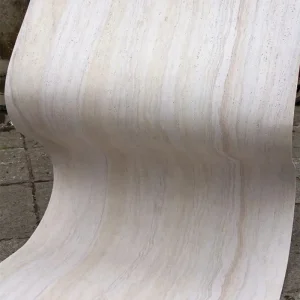
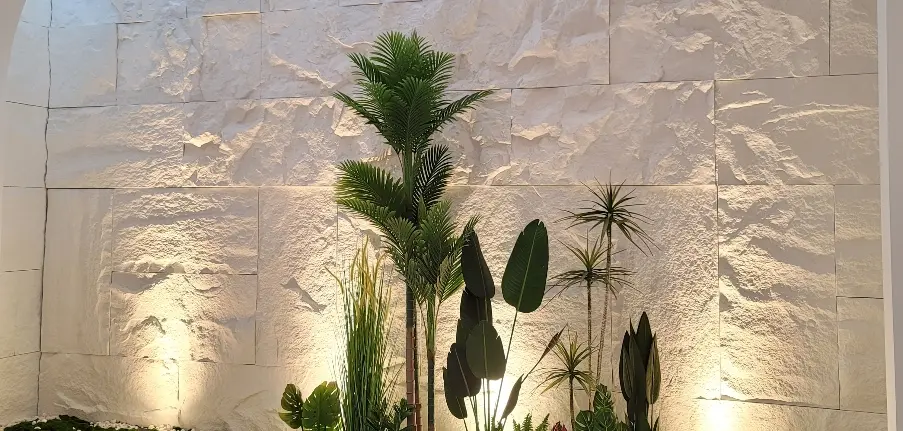
Select from our complete range of certified composite panels, UV coatings, and flexible 3D faux stones engineered for durability.
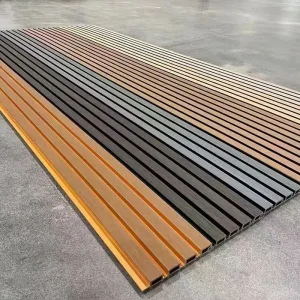
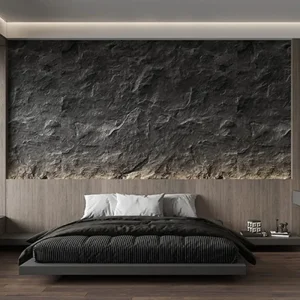
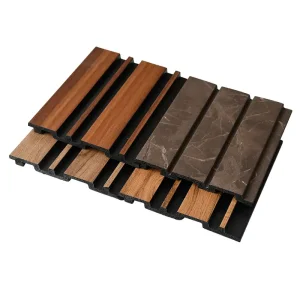
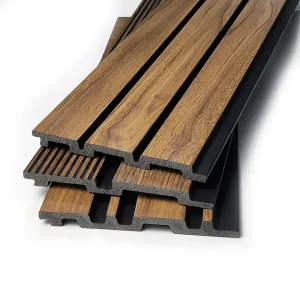
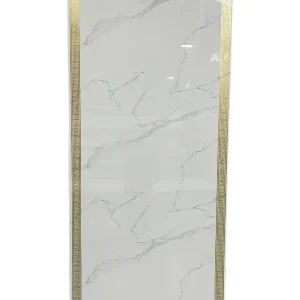
Applying composite panel wall installations requires compliance with regional building standards. Different countries apply distinct fire, ecological, and structural codes that manufacturers must meet to satisfy local compliance requirements.
In the North American market, interior finishing materials must pass ASTM E84 testing (Standard Test Method for Surface Burning Characteristics of Building Materials). Under this classification, WPC panels are engineered to achieve Class A or Class B flame spread indexes. In the European Union, products must comply with EN 13501-1 fire rating procedures, achieving Class B-s1, d0 standards. These standards measure smoke propagation (s1 indicates minimal smoke generation) and flaming droplets (d0 indicates no burning droplets during ignition), qualifying the panels for public and commercial installations.
“Shandong Xiuchen New Material works directly with architectural consultants to provide custom formulations that comply with localized building codes, offering detailed engineering data sheets for municipal approvals.”
As the construction industry shifts toward circular economy models, the development of WPC material formulations is evolving. Shandong Xiuchen's R&D team is focusing on several key technical initiatives:
Addressing the technical, logistics, and installation questions raised by procurement officers, civil engineers, and interior architects.
Our WPC indoor wall panels are tested to meet the E0 emission classification, which requires formaldehyde emissions to remain below 0.5 mg/L. This ensures they are safe for immediate installation in high-density indoor spaces, schools, and hospitals.
Yes. Because WPC panels contain polymer components, their water absorption rate is less than 0.5%. While they are suitable for high-humidity environments like bathrooms and kitchens, proper sealing at joint lines is recommended for direct wet zones (such as inside shower stalls) to protect the underlying structure.
WPC panels expand and contract due to temperature changes, with an average rate of 0.1% of panel length under typical conditions. We recommend leaving expansion gaps of 2-3 mm at corner connections during installation to accommodate these shifts.
Yes. As an direct manufacturer with an in-house tooling facility, we offer customization services for thickness, density, color profiling, and groove patterns. Custom extrusion molds can be developed according to architectural specification drawings.
WPC fluted panels are designed with tongue-and-groove joint systems. They can be mounted to wooden or metal battens using stainless steel clips and screws, or fixed directly to flat walls using heavy-duty polyurethane construction adhesive.
PS panels are lighter, highly detailed, and suitable for dry decorative areas, whereas WPC panels offer higher impact resistance, better fire rating capabilities, and superior screw-retention strength, making WPC the preferred option for high-traffic commercial spaces.
 Xiuchen