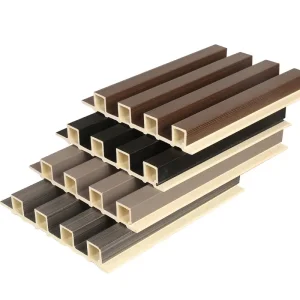
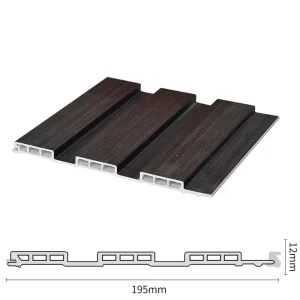
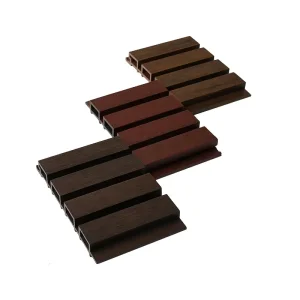
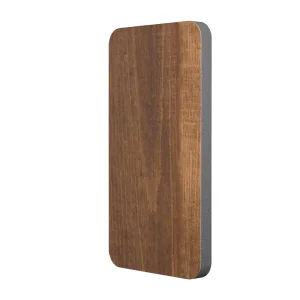
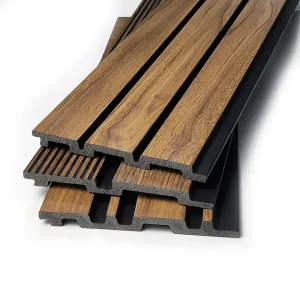
Wood-Plastic Composite (WPC) outdoor cladding has transitioned from a niche alternative to natural timber into a primary architectural specification for high-performance building envelopes. As global urbanization accelerates and climate volatility increases, architectural materials must deliver both aesthetic excellence and extreme durability. WPC represents a material science breakthrough, combining the natural warmth of wood fibers with the structural resilience of high-density polymers.
For enterprise-level buyers, architects, and real estate developers, sourcing from verified WPC outdoor cladding manufacturers is not merely a transaction; it is a strategic partnership. The modern building envelope must comply with stringent energy codes, fire safety regulations, and environmental certifications. This whitepaper explores the technical architecture of WPC materials, the manufacturing advantages of leading Chinese factories, and the critical parameters for global procurement.
Understanding the molecular composition of WPC is vital for evaluating its long-term performance. First-generation WPC was prone to color fading and moisture absorption. Today, leading factories utilize 360-degree capped co-extrusion technology, which fuses a protective polymer shield around the composite core under extreme heat and pressure.
The outer layer consists of an engineered polymer modified with UV stabilizers and anti-oxidants. This shield prevents moisture penetration, eliminates UV degradation, and resists scratching, staining, and mold growth in high-humidity zones.
Composed of 60% refined wood fiber (hardwood/softwood blend), 30% recycled High-Density Polyethylene (HDPE), and 10% chemical additives (coupling agents, lubricants, and pigments) to ensure structural integrity and dimensional stability.
Engineered to withstand extreme temperature fluctuations (-40°C to +60°C). The linear thermal expansion coefficient is strictly controlled to prevent warping, buckling, or joint separation during seasonal transitions.
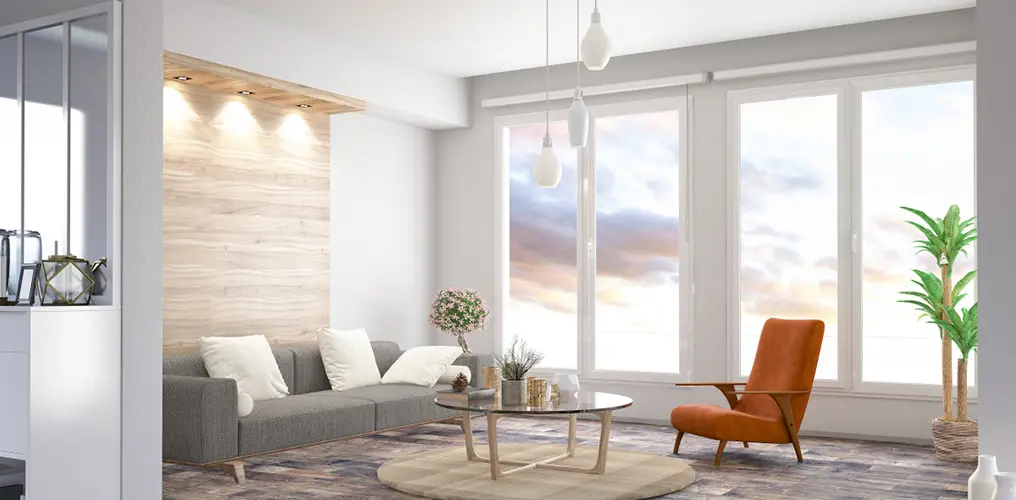
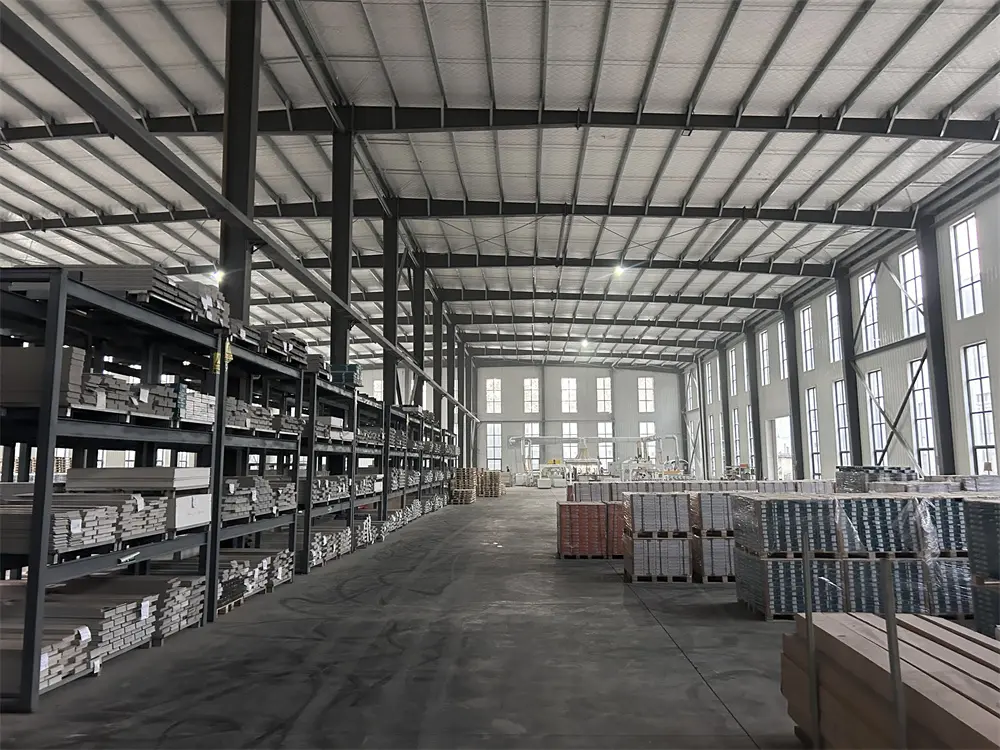
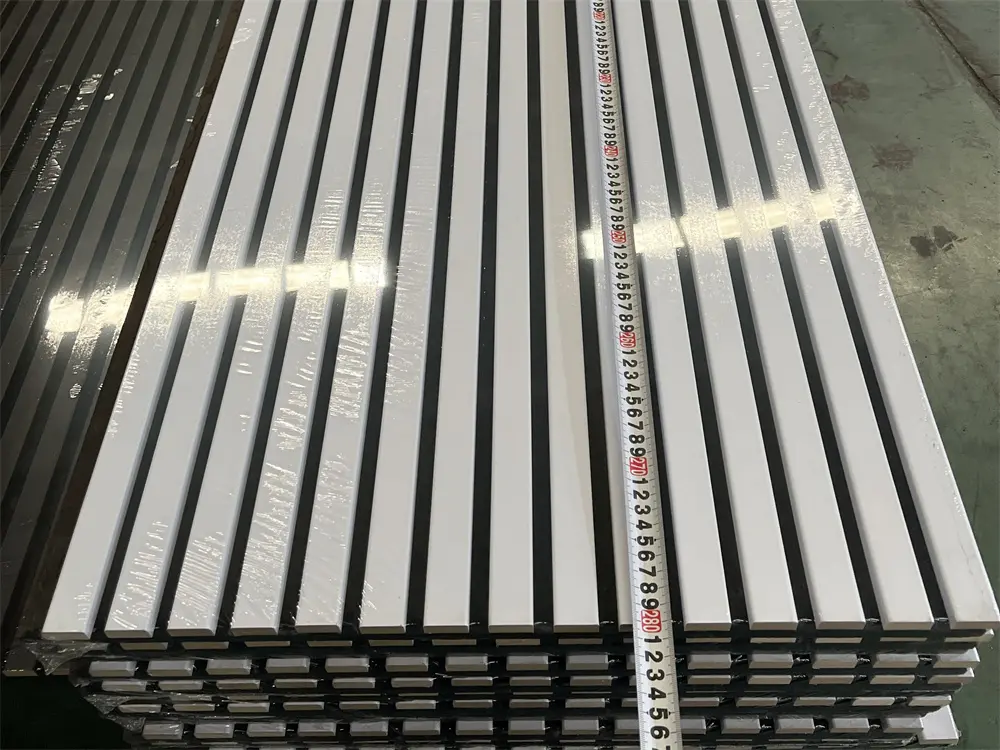
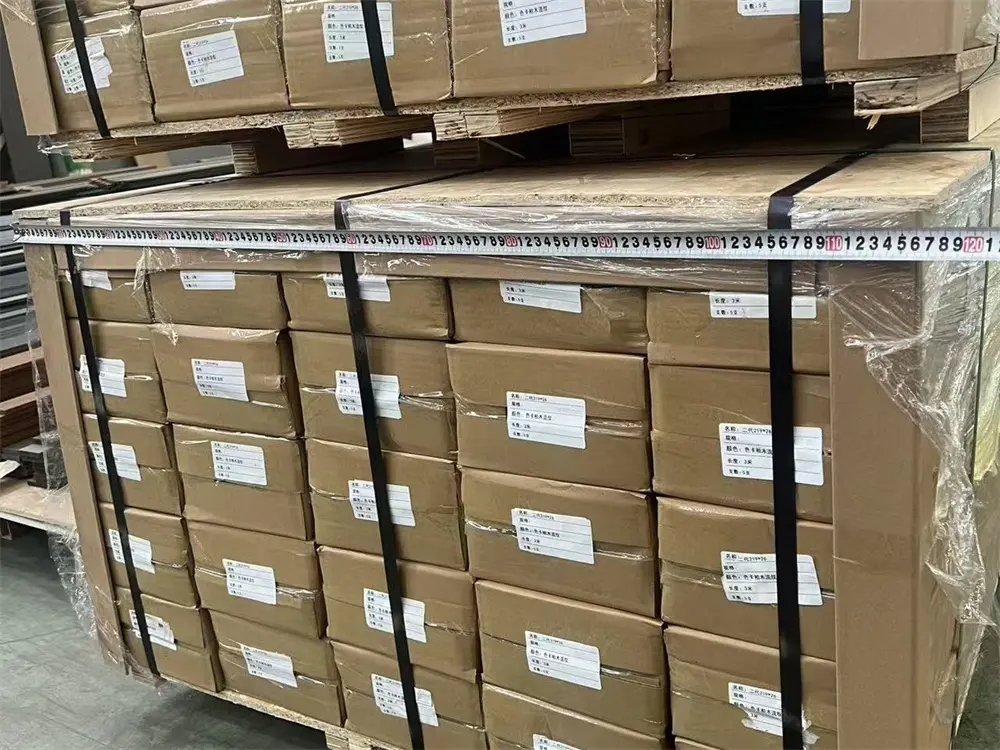
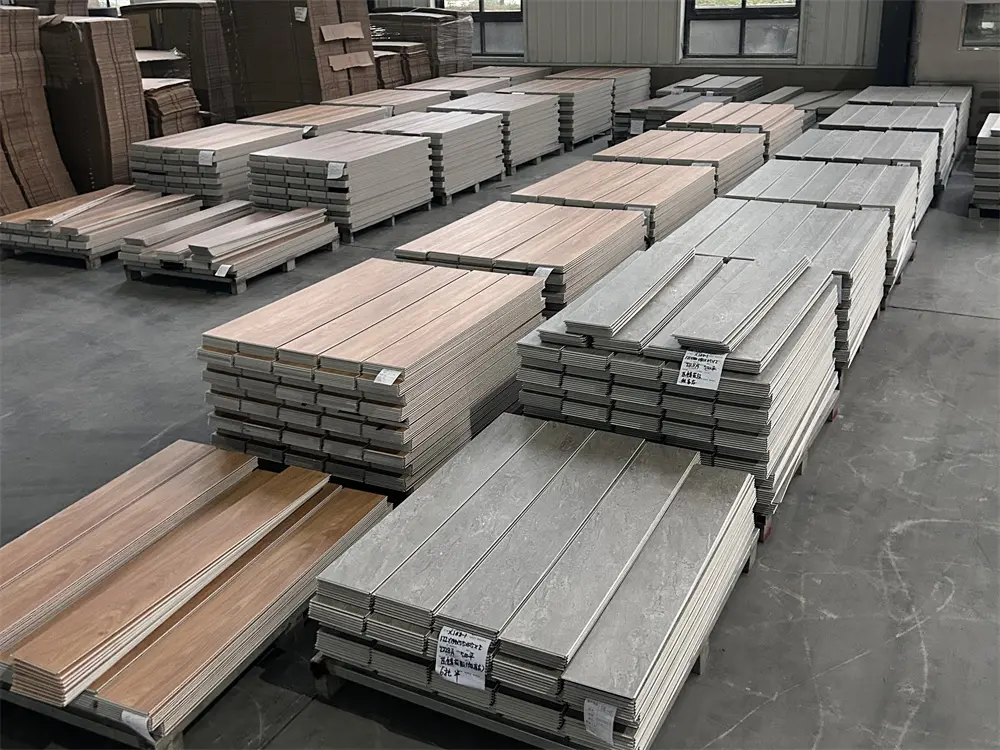
Established as a pioneer in environmental protection decoration materials, Shandong Xiuchen New Material Co., Ltd. brings over 15 years of dedicated R&D and production experience to the global market. Operating from state-of-the-art facilities in China, we specialize in the manufacturing of high-grade WPC Wall Panels, WPC Timber Tubes, PS Wall Panels, PS Mouldings, PS Stone Wall Panels, WPC Decking, SPC Flooring, Ceilings, and acoustic panels.
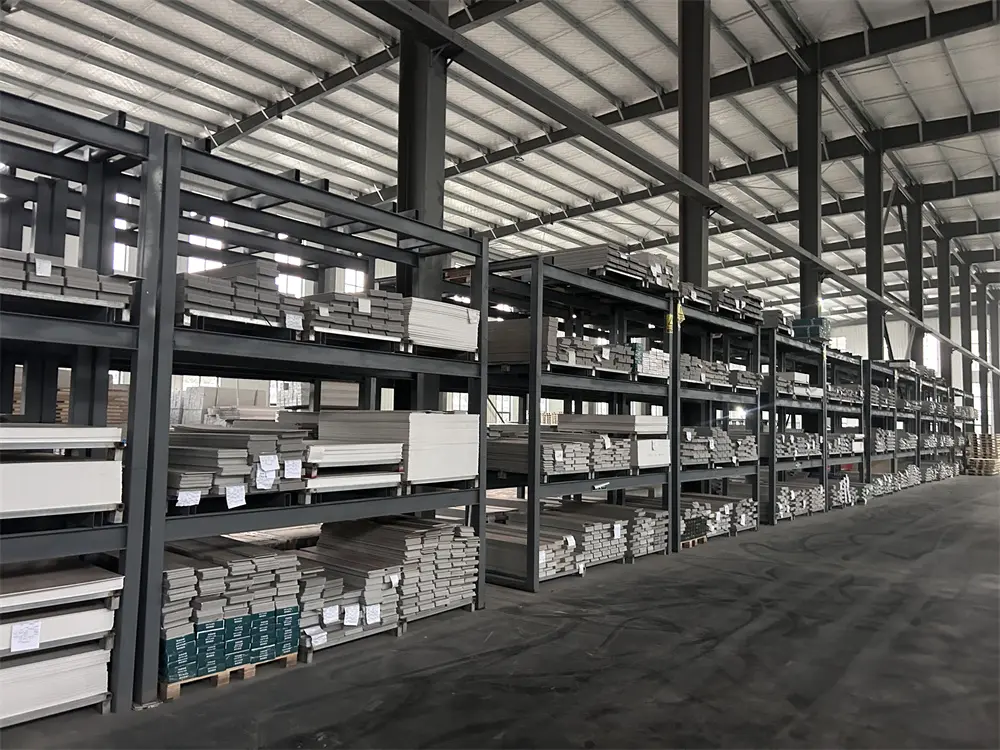
Our facility integrates advanced extrusion lines, automated mixing systems, and precise surface treatment technologies. With a professional technical management team, we ensure that every batch of WPC outdoor cladding meets rigorous international standards. Our mission is simple: to deliver cost-effective, durable, and aesthetically superior materials that maximize value for architects, distributors, and contractors worldwide.
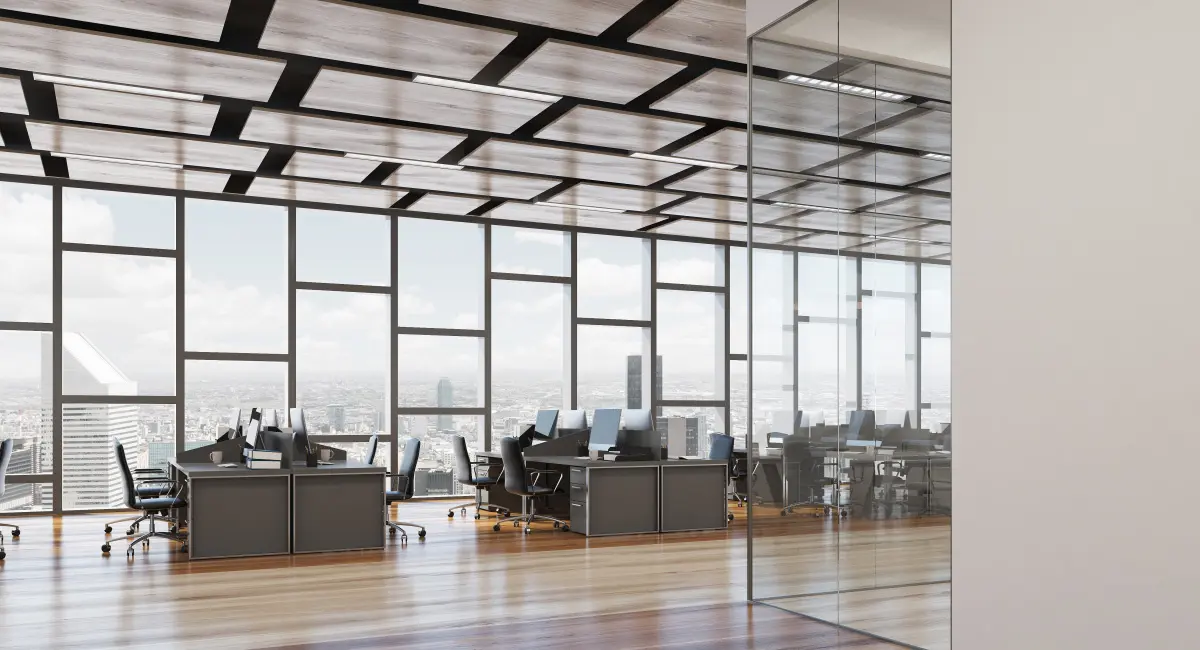
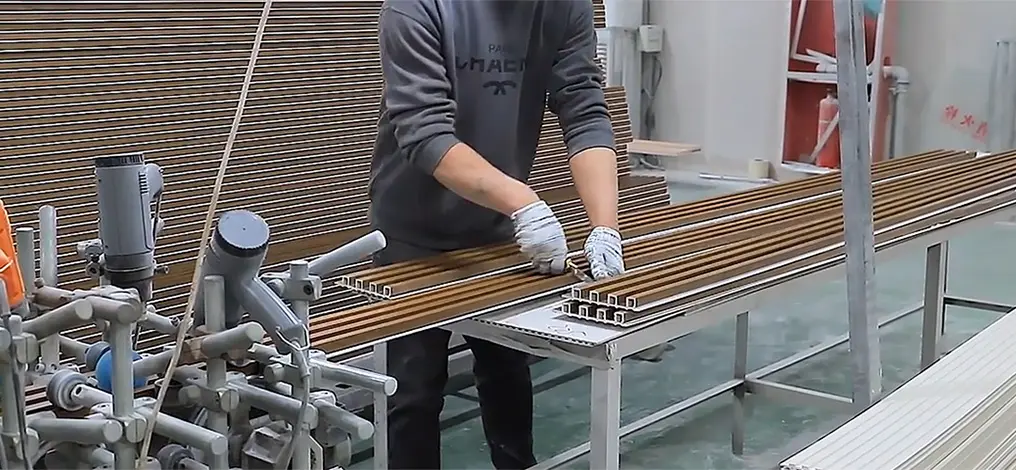
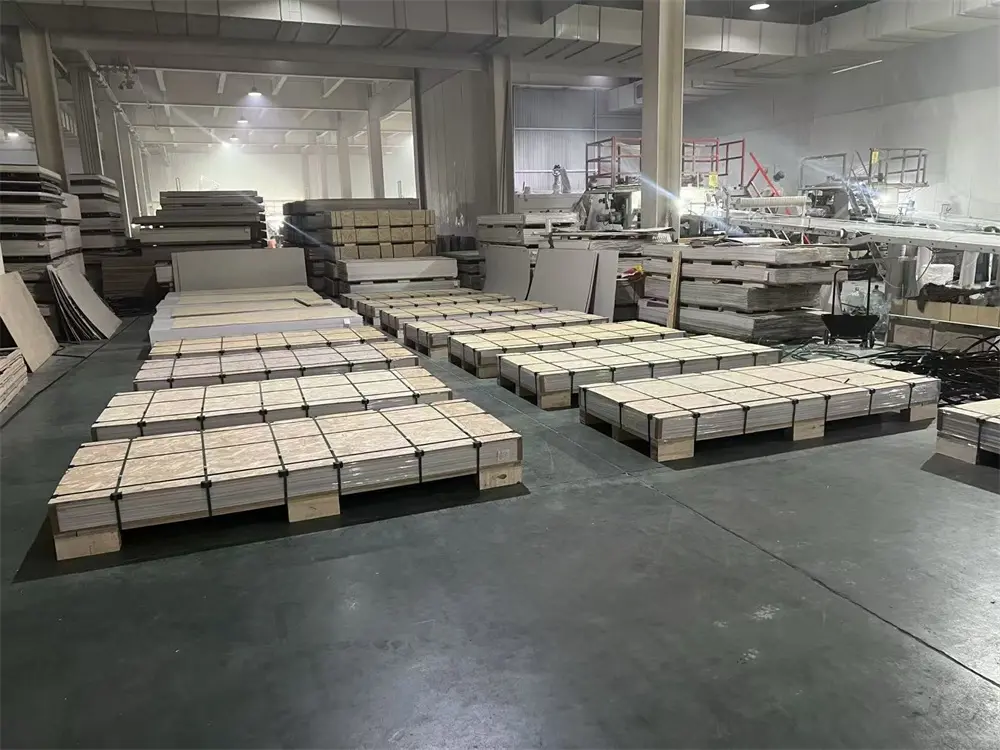
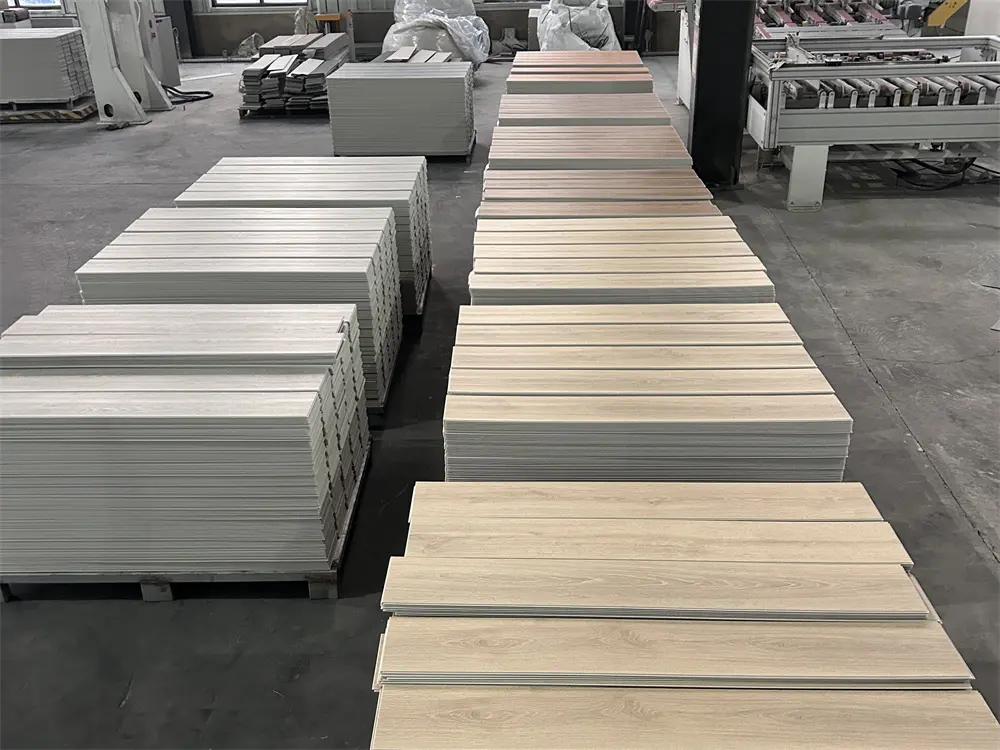
China's dominance in the global WPC manufacturing sector is not merely a result of labor cost efficiencies; it is driven by a highly integrated industrial ecosystem. From raw material sourcing to advanced polymer chemistry, Chinese factories offer unparalleled scalability and customization capabilities.
Proximity to major wood processing hubs and petrochemical refineries allows Chinese manufacturers to secure high-quality wood flour and virgin/recycled HDPE at stable prices, mitigating global supply chain shocks.
Chinese factories utilize multi-layer co-extrusion machinery that can simultaneously extrude the core and the protective cap, ensuring perfect molecular bonding and reducing structural delamination risks.
With in-house mold design and tooling centers, manufacturers can rapidly prototype custom profiles, textures, and dimensions to meet specific architectural requirements, reducing lead times by up to 50%.
For commercial projects, WPC cladding must meet strict international building codes. Procurement officers must verify that manufacturers possess the necessary testing certifications to ensure safety, durability, and environmental compliance.
Under EN 13501-1, WPC cladding for commercial use typically requires a Class B-s1, d0 rating (flame spread, smoke production, and flaming droplets). Our specialized fireproof WPC formulations incorporate non-halogenated flame retardants to meet these stringent requirements, ensuring safety in high-rise and public applications.
Modern green building standards (such as LEED and BREEAM) demand low VOC emissions and sustainable sourcing. Enterprise buyers should look for FSC (Forest Stewardship Council) certification for wood fibers and REACH compliance for polymer additives, ensuring no hazardous heavy metals or phthalates are present.
WPC cladding must withstand high wind pressures, especially in coastal zones. Testing under ASTM D7032 determines the flexural stiffness, tensile strength, and fastener holding capacity. Our engineered profiles feature internal ribbing to optimize structural load distribution without adding excess weight.
WPC outdoor cladding is highly versatile, but its installation and specification must be adapted to local environmental conditions. Here is how our products perform across different global climates:
High salinity and humidity accelerate the decay of natural wood. Our capped WPC cladding features a zero-absorption polymer shield, preventing salt-water corrosion, warping, and marine borer infestation in beachfront resorts and boardwalks.
In desert or high-altitude locations, intense UV radiation causes rapid fading and embrittlement of standard plastics. We incorporate advanced hindered amine light stabilizers (HALS) to ensure color fastness (Delta E < 3 over 10 years).
Freeze-thaw cycles can crack porous materials. The low water absorption rate of our WPC (<0.5% after 24-hour immersion) ensures that moisture does not penetrate the core, preventing internal cracking when temperatures drop below freezing.
The WPC industry is undergoing rapid technological evolution. As environmental regulations tighten and architectural aesthetics shift toward organic minimalism, manufacturers are investing in next-generation material formulations.
Traditional WPC relies on petroleum-derived HDPE or PVC. The future lies in bio-based polymers derived from agricultural waste or PLA (polylactic acid), coupled with 100% recycled wood flour. This reduces the carbon footprint of the cladding to near-zero, supporting net-zero carbon building initiatives.
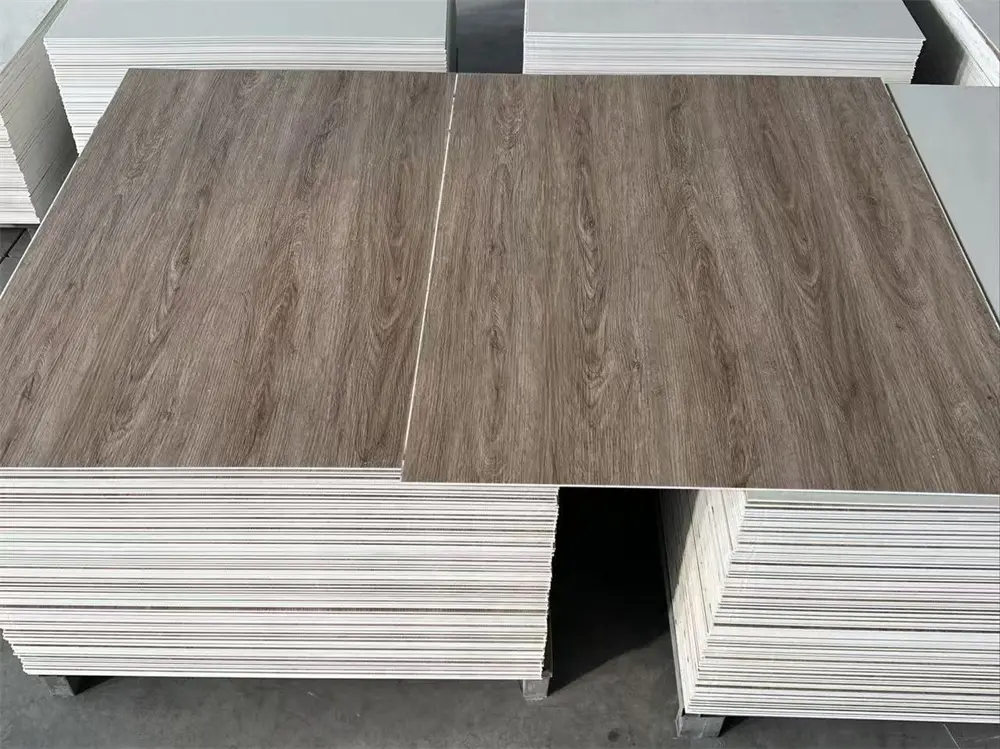
Early WPC suffered from a "plastic" appearance. Advanced online embossing technology now presses deep, non-repeating wood grain patterns into the capped layer during extrusion. This creates a multi-tonal, matte finish that is visually indistinguishable from premium natural hardwoods like teak, ipe, or cedar.
By integrating hydrophobic nano-coatings into the capped layer, next-generation WPC cladding repels dust, dirt, and atmospheric pollutants. Rainwater easily washes away surface grime, drastically reducing maintenance costs for commercial facades and high-rise structures.
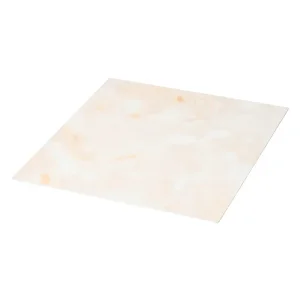
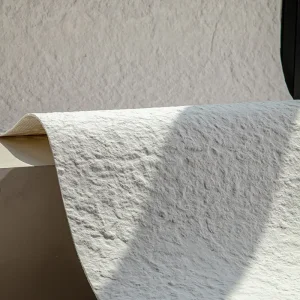
At Shandong Xiuchen New Material Co., Ltd., we manufacture a diverse portfolio of interior and exterior decorative solutions to meet global design trends:

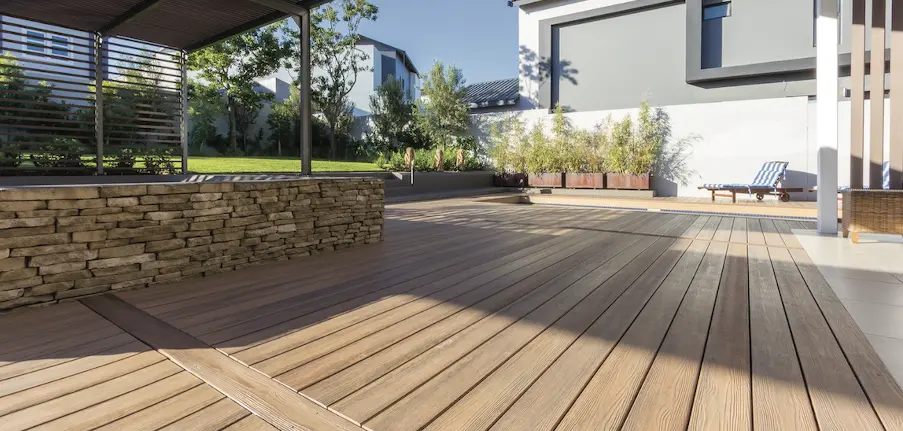
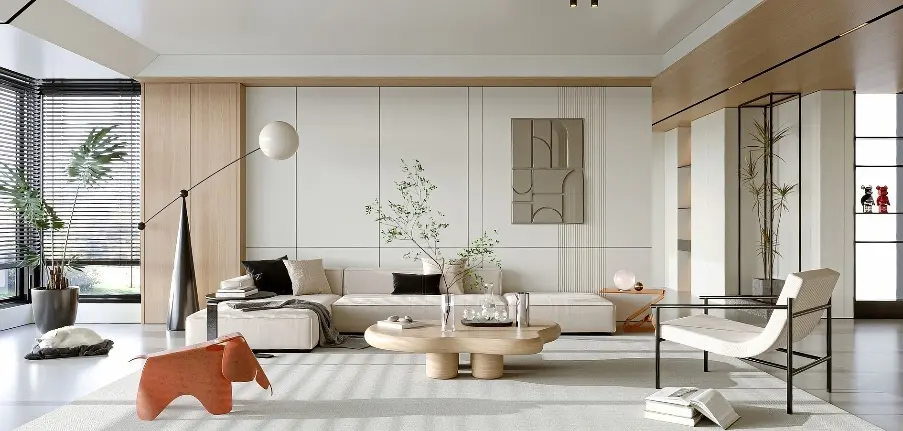
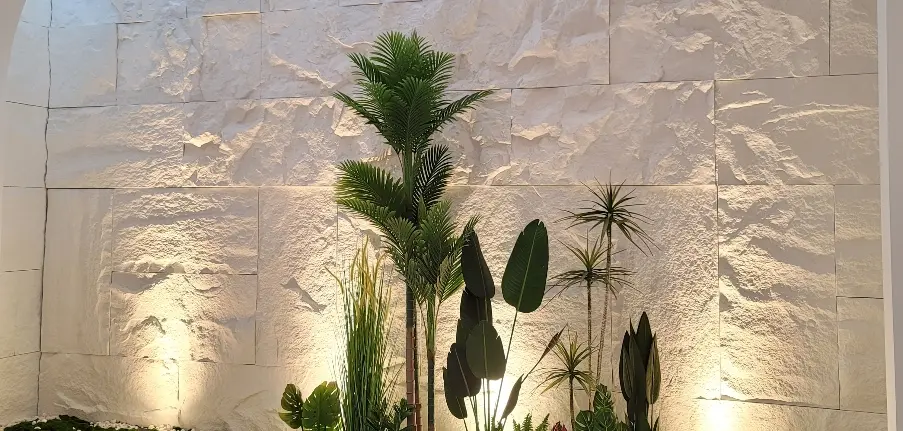
Capped WPC outdoor cladding is engineered for longevity. Under normal environmental conditions and with proper installation, high-quality capped WPC cladding has a design life of 25 to 30 years. Unlike natural timber, it does not rot, warp, splinter, or require periodic sealing and staining, which significantly reduces the total cost of ownership over its lifecycle.
WPC contains thermoplastic polymers, meaning it expands and contracts with temperature changes. To manage this, manufacturers specify precise expansion gaps at the butt joints and perimeter edges. Using specialized hidden fastening clips allows the panels to slide slightly during thermal cycles without buckling or stressing the structural framing.
No, WPC cladding should never be installed directly onto solid masonry or concrete walls. It requires a batten or joist system (made of aluminum, treated timber, or WPC) to create a rear ventilation cavity. This cavity (typically 20mm to 40mm deep) allows air to circulate, preventing moisture buildup behind the cladding and ensuring long-term structural health.
Standard WPC cladding typically achieves a Class C or D fire rating. However, for commercial and high-density residential projects, manufacturers can incorporate specialized flame retardants (such as magnesium hydroxide or ammonium polyphosphate) to achieve a Class B-s1, d0 rating under EN 13501-1, which is widely accepted by global building codes.
Yes. High-quality WPC cladding is highly sustainable as it utilizes recycled materials. The wood component is typically sourced from post-industrial wood waste (sawdust and wood shavings), preventing deforestation. The polymer component often uses recycled HDPE (such as milk jugs and detergent bottles). Furthermore, WPC scrap generated during installation or at the end of the product's life can be ground down and re-extruded into new composite products.
Uncapped WPC is exposed directly to the elements, making it susceptible to moisture absorption, staining, mold, and UV fading over time. Capped WPC features an co-extruded outer polymer shield that wraps around the core. This shield is impermeable to water, highly resistant to UV rays, and easy to clean, making it far superior for exterior cladding applications.
For standard profiles and colors, the MOQ is typically 200 to 500 square meters (or approximately one 20-foot container). For custom colors, textures, or unique extruded profiles that require new tooling, the MOQ may range from 1,000 to 3,000 square meters depending on production line scheduling.
Color consistency is maintained through automated dosing systems that precisely weigh pigments and additives. However, because wood fiber is a natural raw material, slight variations can occur. Leading factories recommend that buyers order the entire quantity required for a project in a single batch, and installers should mix panels from different pallets during installation to ensure a natural, blended appearance.
 Xiuchen