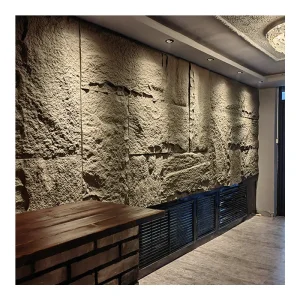
Engineered MCM (Modified Clay Material) and polymer solutions featuring ultra-light profiles, high mechanical flexibility, and rapid adhesive installation properties.
Antigua and Barbuda’s unique structural environment poses extreme challenges to conventional construction materials. The combination of intense ultraviolet radiation, high atmospheric salinity, and constant wind-driven sea spray accelerates the erosion of traditional limestone, plaster, and heavy masonry veneers. Furthermore, being located in a high-seismic and hurricane-prone tropical zone, local engineering standards place a premium on minimizing structural dead weight.
Historically, luxury resorts in Dickenson Bay, English Harbour, and private retreats on Barbuda imported heavy quarry stone. This not only bloated ocean-freight logistics costs but also required massive structural reinforcement. Under the wind load designs required by the Caribbean Uniform Building Code (CUBiC), minimizing dead weight is critical to preventing structural failure during high-velocity wind loads. Flexible stone offers the perfect alternative: at just 3 to 4 kg/m², it reduces dead weight load by up to 90% compared to traditional stone slabs.
As the government moves towards sustainable tourism and low-impact commercial infrastructure, architectural projects require building envelopes that are fireproof, moisture-resistant, and biologically inert to prevent mold growth. Flexible stone, utilizing Modified Clay Material (MCM) technology, stands out as the premium design standard for future-proof luxury construction across both islands.
Combining 15 years of state-of-the-art material formulation with cost-optimized bulk supply lines directly serving St. John's Port.
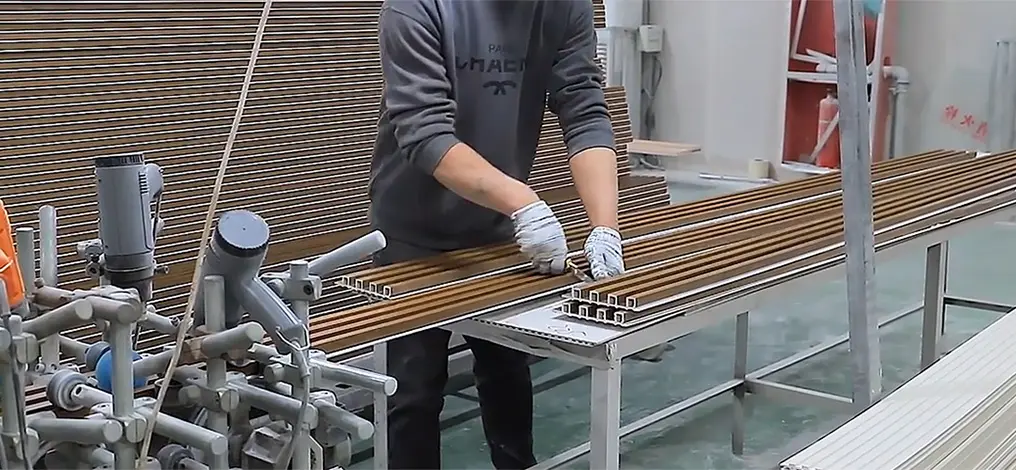
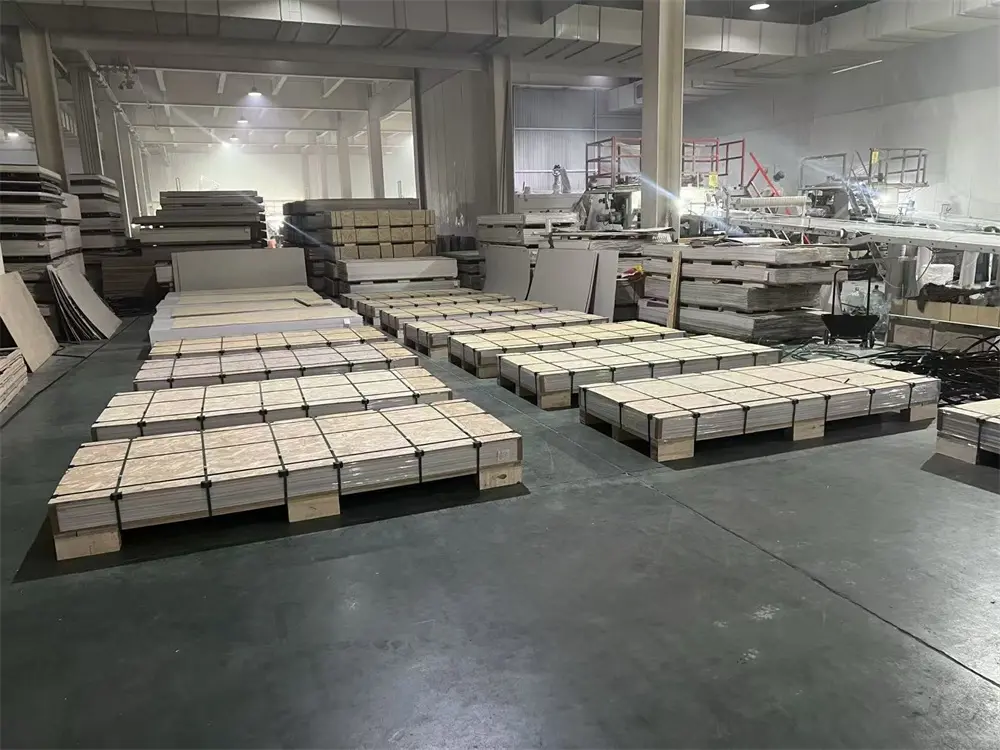
We operate advanced scientific production centers specialized in eco-materials, formulating our proprietary Modified Clay Material (MCM) to survive severe marine weathering exposures.
Equipped with high-volume automated thermal-forming and color-blending lines, we ensure batch-to-batch consistency with competitive global OEM/ODM pricing tiers.
We provide seawater-proof container packaging, complete marine insurance handling, and customized export documentation designed for Caribbean customs clearing protocols.
An in-depth structural review of Modified Clay Materials (MCM) in high-salinity island zones.
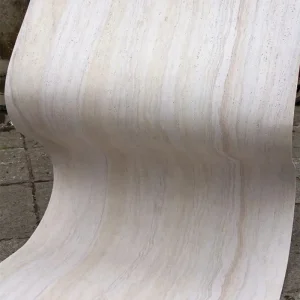
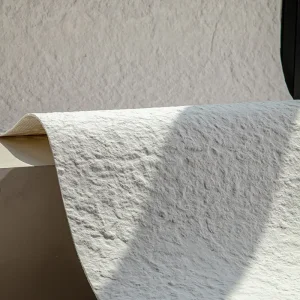
Flexible stone, scientifically categorized as Modified Clay Material (MCM) or soft stone, represents a paradigm shift in architectural cladding. The manufacturing process involves sourcing inorganic mineral powders, natural quartz sand, and iron oxide color pigments. These raw materials are pulverized and cross-linked with specialized polymer binders. The compounded mixture is then cast onto high-precision textures under controlled heat and pressure, recreating the precise tactile surfaces of travertine, slate, split stone, and raw granite.
To fully understand the competitive benefits, it is useful to evaluate flexible stone against traditional stone masonry, fiber cement boards, and heavy stucco finishes across critical tropical performance indices:
| Performance Indicator | MCM Flexible Stone Veneer | Natural Stone Cladding | Fiber Cement Board (FCB) | Traditional Stucco Paint |
|---|---|---|---|---|
| Weight Density (kg/m²) | 3.0 - 4.5 | 40.0 - 80.0 | 15.0 - 25.0 | 2.0 - 4.0 |
| Elastic Modulus & Flexibility | High (Can wrap around columns) | Zero (Brittle, subject to cracking) | Low (Prone to corner fracturing) | Medium (Easily micro-cracks) |
| Salt-Spray & Ocean Air Resistance | Excellent (Non-reactive polymers) | Variable (Porous stone corrodes) | Moderate (Swells if edges seal fails) | Poor (Chalks, peels, runs) |
| Installation Methodology | Polymer adhesive / Thin-set | Heavy mechanical anchors / Wet mortar | Nailing, framing & joint sealing | Multi-layer spray & hand trowel |
| Eco-Footprint / CO₂ Cost | Ultra-low (Low-temp heat forming) | Extremely High (Quarrying + heavy freight) | High (Curing energy + shipping weight) | Moderate (Chemical emulsion waste) |
In humid tropical environments like Antigua, wall structures often trap internal moisture, leading to mold development and paint peeling. The molecular matrix of MCM flexible stone is engineered with micro-porosity, allowing the substrate to "breathe." Liquid rain is blocked from entering due to the hydrophobic surface polymer sealant, while interior water vapor is allowed to migrate outwards. This breathability preserves structural integrity and helps maintain indoor air quality in luxury residential and resort spaces.
Solar degradation is a major cause of exterior surface fading in the Caribbean. Flexible stone avoids organic dyes, utilizing natural inorganic mineral iron oxides. These compounds are inherently UV-resistant and remain chemically stable under decades of intense sunlight. The polymer matrix is also non-reactive, protecting the material against salt crystallization and preventing surface flaking (spalling).
Our production facilities utilize advanced thermal-pressure curing and automated color-blending lines. We maintain strict quality control at every stage, from verifying raw mineral powder specifications to conducting physical stress testing on final production batches.
Our technical team works with international architects to support projects with high production capacity, fast turnaround times, and reliable technical consulting.
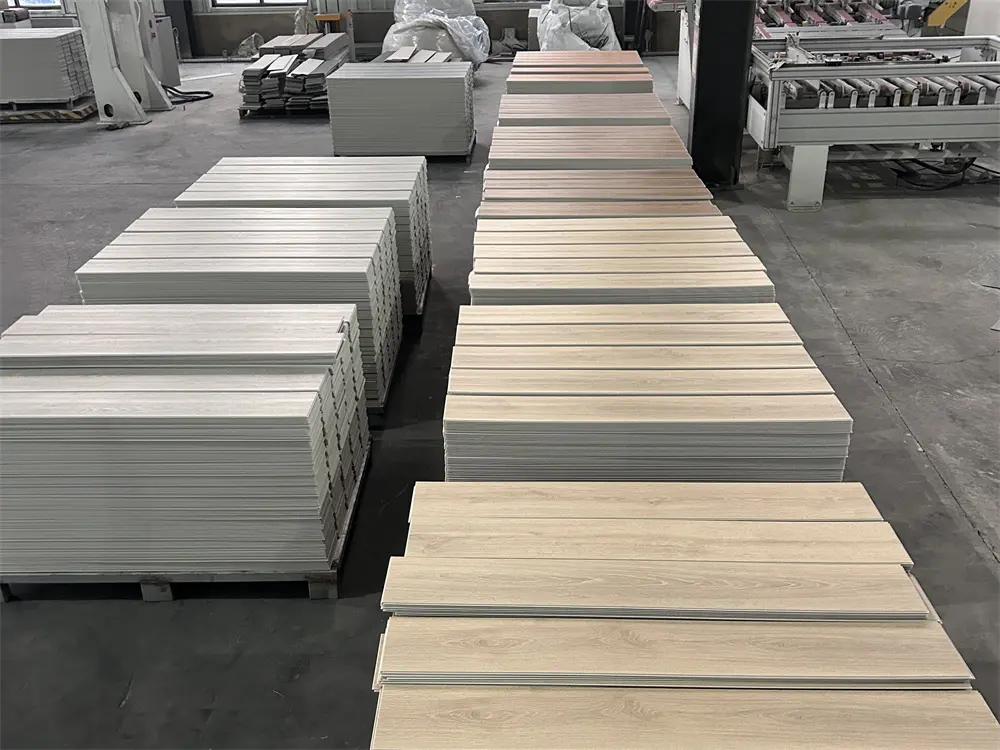
How flexible stone can be applied to meet specific structural demands in Antigua and Barbuda.
Ideal for beachside villa facades in locations like Dickenson Bay, where traditional stucco is prone to cracking and natural stone is cost-prohibitive. Flexible stone offers high wind-load resistance and survives salt-spray exposure.
For retrofitting historic sites or updating resort properties in English Harbour. It allows installation directly over existing sound substrates like drywall, concrete, or plaster without requiring demolition work.
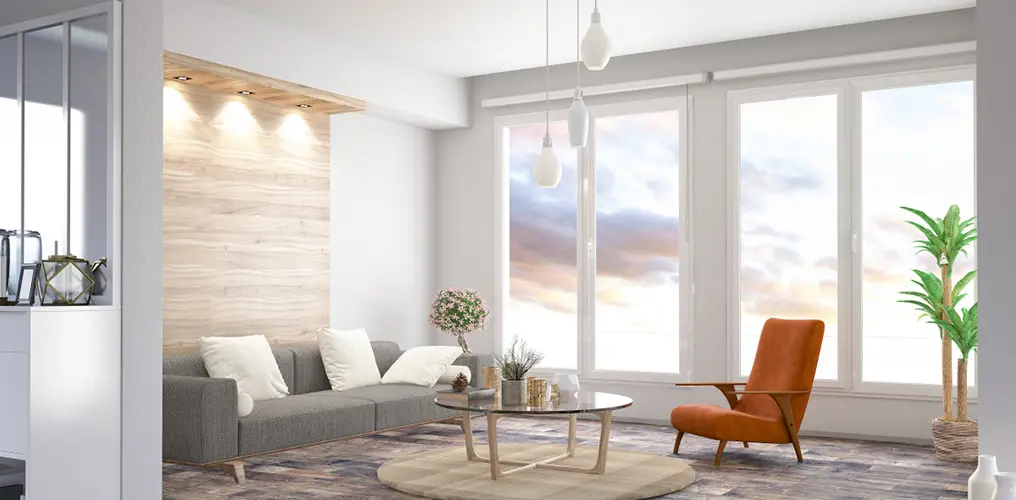
Its high structural flexibility allows it to wrap around curved pillars, arches, and high ceilings. This capability makes it a versatile option for high-end hotel lobbies, spas, and residential architectural features.
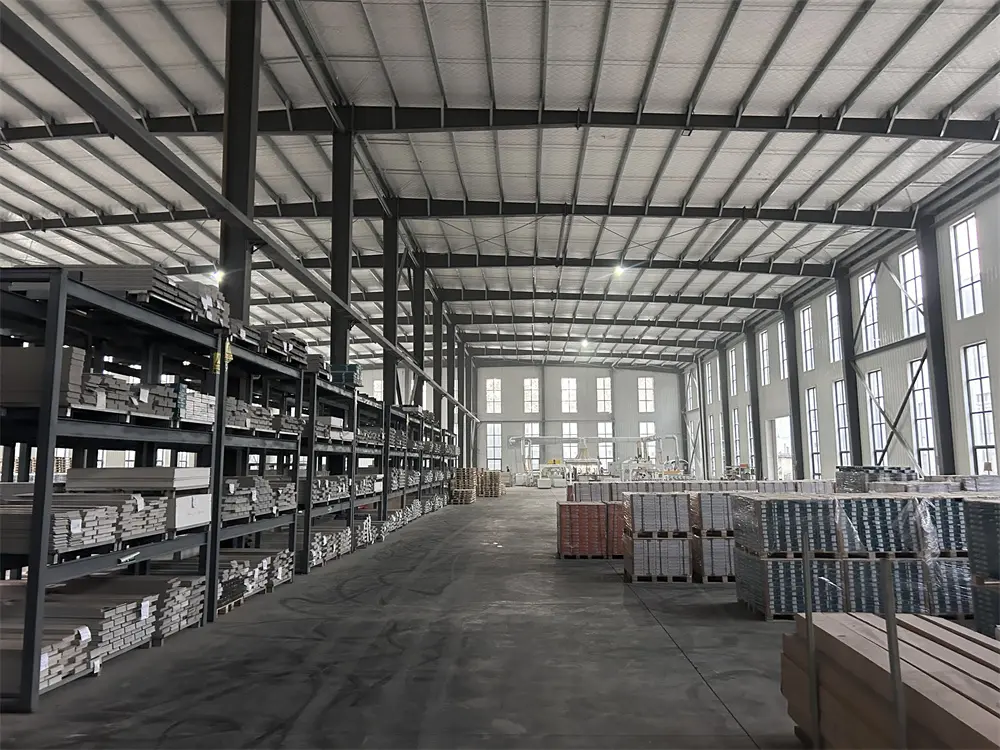
We provide full structural solutions for architectural projects in Antigua and Barbuda, including:
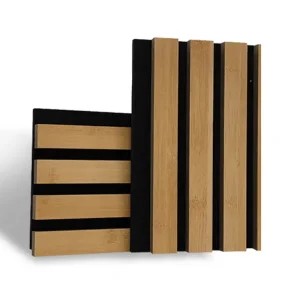
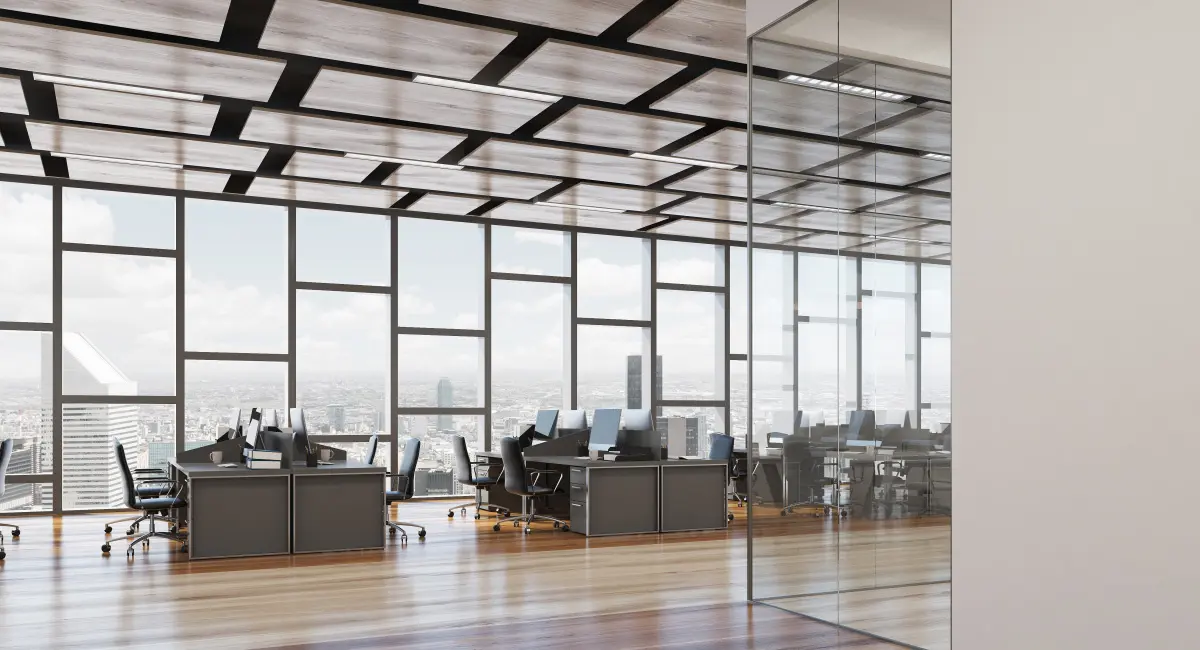
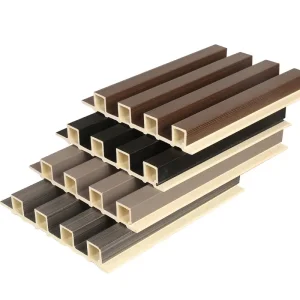
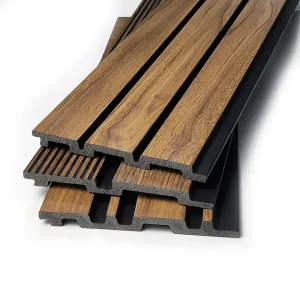
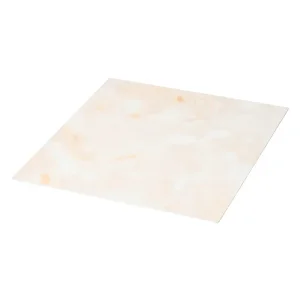
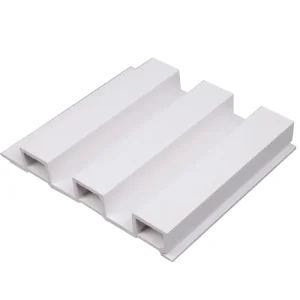
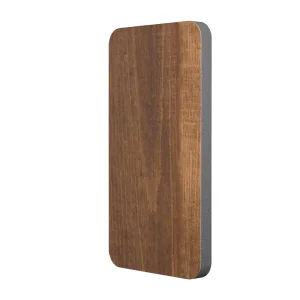
In addition to our primary flexible stone veneers, we supply WPC wall claddings, soundproof akupanels, and PVC marble sheets to complete residential and commercial builds.
We optimize our export shipping processes to protect materials during transit to the Caribbean. Our shipping standard includes:
Expert answers regarding installation, lifespan, and technical performance in high-humidity coastal zones.
Contact our project support team to request physical sample kits, custom color formulations, and shipping rates for Antigua and Barbuda.
 Xiuchen