Designed to withstand the southern hemisphere's high UV index while providing high-end interior aesthetics.
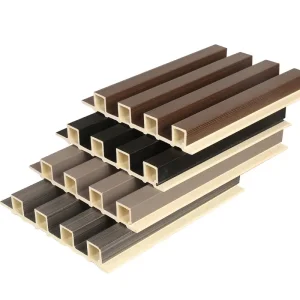
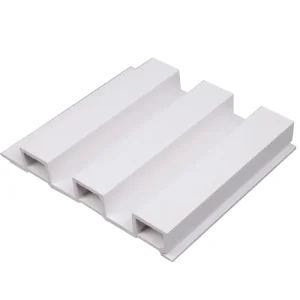
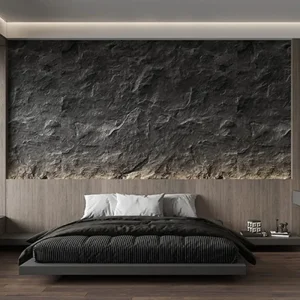
The building and construction sector in New Zealand (Aotearoa) is undergoing a paradigm shift towards decarbonization and strict performance compliance. Traditionally dependent on native and imported timbers, the market is facing escalating costs, supply chain bottlenecks, and the structural limitations of organic wood. The demand for Wood Plastic Composite (WPC) technology is surging as a high-durability, low-maintenance alternative.
However, New Zealand presents unique environmental challenges. The country suffers from some of the highest ultraviolet (UV) radiation levels globally due to its clean atmosphere and elliptical orbit pattern. Consequently, standard polymer products degrade, warp, or discolor rapidly. Advanced co-extrusion technology—utilizing virgin polymer matrices combined with advanced UV stabilizers (such as Hindered Amine Light Stabilizers) and natural wood fibers—is critical for exterior cladding and interior cladding profiles destined for regions like Auckland, Wellington, and Central Otago.
Products imported for use in NZ structural or non-structural envelopes must align with the New Zealand Building Code (NZBC), specifically Clause B2 (Durability, requiring a minimum 15-year life for cladding) and Clause E2 (External Moisture control). Shandong Xiuchen's export-grade WPC line is custom engineered to satisfy these stringent requirements under rigorous testing regimes.
Resistant to high salinity, coastal salt spray, and moisture in coastal regions like the Bay of Plenty and Northland.
Low-VOC emissions (E0 grade) and sustainable bamboo-charcoal composite core panels contribute to NZ Green Building Council standards.
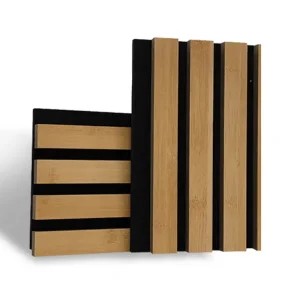
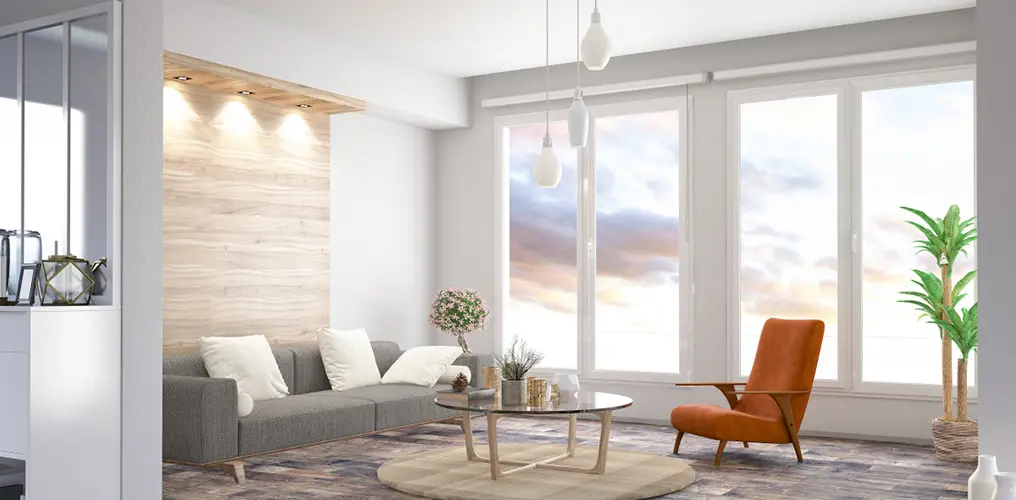
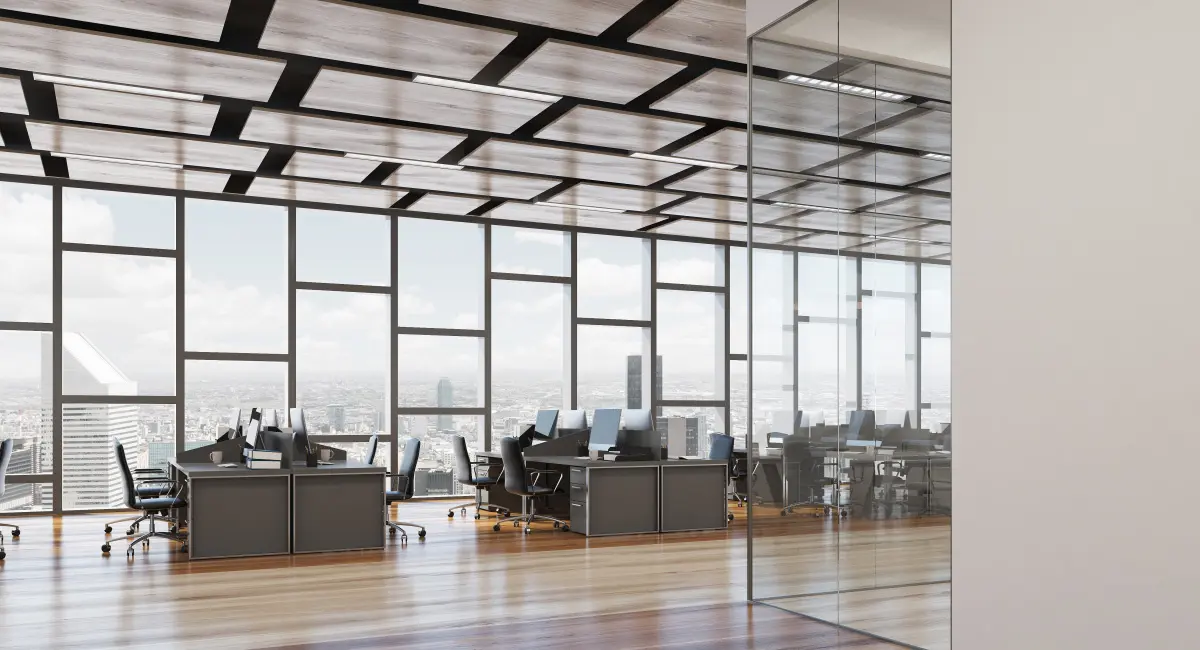
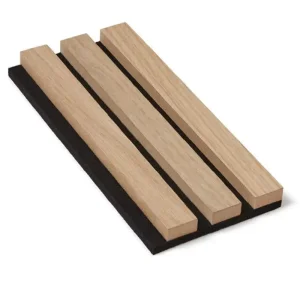
Modern corporate offices in Wellington CBD utilize acoustic felt slatted wood panels to absorb structural echoes.
The macro-economic shift driving composite adoption in commercial projects worldwide.
Projected expansion rate of the global WPC panel market from 2024 to 2030, driven by circular economy mandates.
Ensuring clean indoor environments compliant with stringent international interior air quality standards.
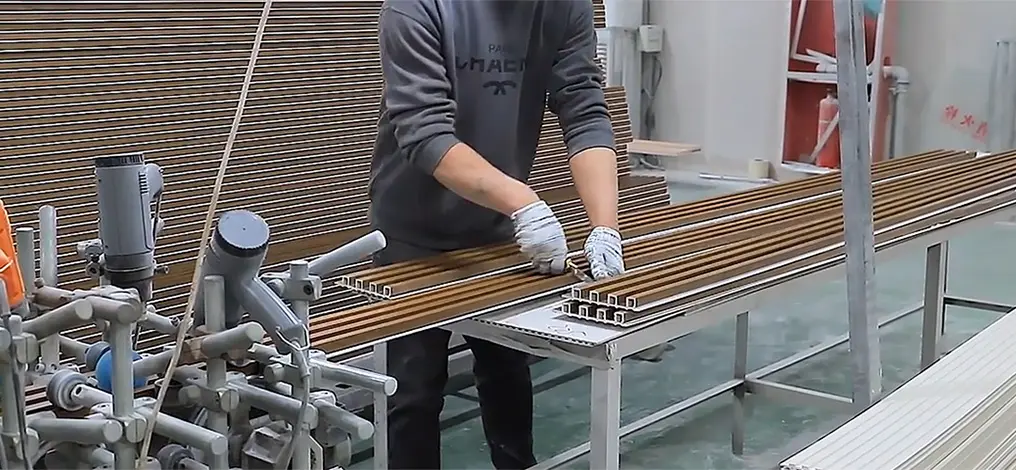
Refining chemical ratios, polymers, and bamboo charcoal formulations at Shandong Xiuchen's production hub.
The global composite market is transitioning from basic mono-extrusion (which blends wood flour and recycled plastics homogeneously throughout the profile) to **360-degree capstock co-extrusion**. This method surrounds the inner structural core with a protective shield containing high-performance polymers, anti-oxidants, and UV inhibitors.
Furthermore, the introduction of Bamboo Charcoal Wood Veneer technology represents the cutting edge of indoor air purification. These panels feature an advanced carbonized cellular matrix that dynamically adsorbs VOCs, neutralizes odors, and maintains structural integrity far better than traditional plasterboards under variable moisture conditions.
For bulk buyers, distributors, and developers in New Zealand, the direct procurement of WPC from high-capacity Chinese manufacturing plants like Shandong Xiuchen New Material Co., Ltd. offers significant economic advantages:
A key factor in calculating "Information Gain" for real estate developers is understanding the total cost of ownership (TCO) over a 25-year structural lifecycle. Below is a comparative breakdown of material properties:
| Performance metric | Xiuchen WPC Panel | Natural H3.2 Pine | Fiber Cement |
|---|---|---|---|
| Moisture Absorption | <0.5% (Impermeable) | High (Rot risk) | Moderate |
| Maintenance Overhead | Zero Painting/Staining | Stain every 2 years | Paint every 7 years |
| UV Performance (NZ Sun) | High Stability Co-Ex | Splits & Fades | Excellent |
| Installation Speed | Interlocking click system | Slow (Nail/Screw) | Slow & Heavy |
Shandong Xiuchen New Material Co., Ltd. is a professional manufacturer of environmental protection decoration materials, boasting 15 years of rigorous R&D and production experience. Our state-of-the-art facilities focus on the development and production of innovative decorative material products.
Our extensive product range includes WPC wall panels, WPC wood tubes, PS wall panels, PS decorative moldings, PS stone wall panels, WPC flooring, SPC flooring, ceilings, acoustic panels, and related accessories. With a dedicated technical management team and advanced production equipment, we ensure cheap prices, fast delivery, and maximum value creation for our global clients.
Our plant operates under certified organic and sustainable principles. Up to 80% of our polymer content and 100% of our wood fibers are sourced from post-industrial and recycled streams, diverting waste from landfills while delivering highly durable structural materials.
Fully optimized specifications to match structural design requirements across Aotearoa.
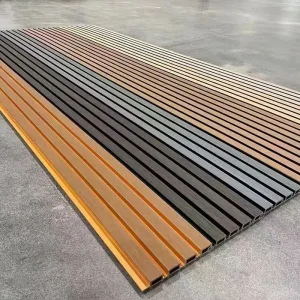
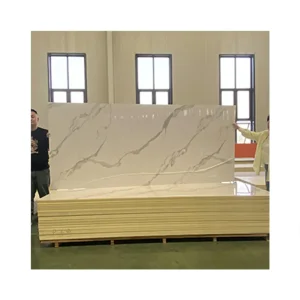

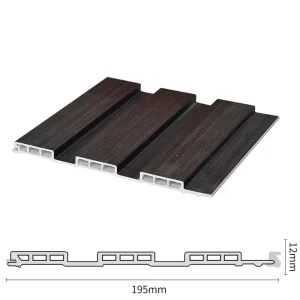
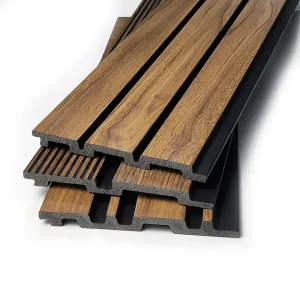
To understand why contemporary WPC stands superior to early-generation composites, a deep analysis of its polymer structures is required. Modern WPC panels produced by Shandong Xiuchen incorporate **High-Density Polyethylene (HDPE)** or **Polyvinyl Chloride (PVC)** matrices integrated with up to 60% dried wood flour. This combination is processed through high-temperature, high-pressure thermoplastic extrusion.
In humid locales like Auckland and the subtropical regions of Northland, ambient atmospheric moisture is absorbed by raw timber, leading to fungal rot and structural decay. WPC avoids this because the individual wood fibers are completely encapsulated by the polymer matrix. Water cannot penetrate the hydrophobic plastic boundaries, preventing internal hydro-deformation and rendering the panels impervious to rot, termites, and fungal degradation.
Central Otago and alpine regions in New Zealand experience extreme temperature shifts between night and day. Composites undergo linear thermal expansion and contraction. Proper installation requires calculating the specific thermal expansion coefficient ($\alpha$) of the WPC product. Xiuchen designs profiles with micro-engineered expansion gaps in the tongue-and-groove jointing, ensuring that panels expand and contract linearly without buckling or detaching from the substrate stud frame.
When drafting specifications for NZ commercial frameworks, denote structural backing parameters: "Install WPC cladding over a dry cavity batten system conforming to NZBC E2/AS1. Ensure batten centers are spaced at no greater than 400mm intervals to manage heavy structural wind-loads in Zone W."
International construction firms and volume importers require systematic supply chains to avoid building delays and project penalty clauses. Sourcing directly from high-capacity Chinese manufacturing bases allows procurement managers to mitigate inflation risks and optimize materials procurement.
Key logistical operations handled by Shandong Xiuchen include precision container loading protocols. WPC panels are long, dense structural elements. Incorrect loading leads to bending stress and edge deformation during maritime transit. Our packaging utilizes reinforced honeycomb protective sleeves, multi-layered water-resistant pallet wrapping, and specialized internal container bracing to withstand movement during ocean voyages to ports in Auckland, Tauranga, and Lyttelton.
Critical technical answers for architects, QS professionals, and commercial developers in New Zealand.
Get in touch with Shandong Xiuchen's export division today to request technical data sheets, custom color swatches, or direct container pricing quotes.
 Xiuchen